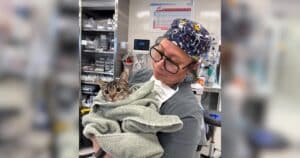
A domestic cat in New York survived a catastrophic 16-story fall and found rescue through the efforts of dedicated veterinarians and animal welfare workers. The feline plummeted from a high-rise building but walked away from the accident with treatable injuries, defying the odds in a way that both amazes veterinarians and raises questions about cat physiology.
The cat arrived at a local animal hospital with injuries consistent with high-altitude trauma. Veterinarians examined the animal for broken bones, internal bleeding, and organ damage. High-rise syndrome, as veterinarians call it, describes injuries cats sustain from falls above the fifth floor. Research shows that cats often survive these extreme falls better than expected, partly because of their flexible spines and the "righting reflex" that allows them to orient their bodies mid-fall to land on their feet.
This particular cat's survival reflects what many emergency veterinarians have observed over decades of practice. Dr. studies on high-rise falls have shown that injury severity does not always increase proportionally with fall height. In fact, some cats falling from very high elevations sustain fewer injuries than those falling from mid-range heights. Scientists attribute this to the time cats have to reach terminal velocity and adjust their body position, spreading their weight across all four limbs before impact.
The cat underwent diagnostic imaging to assess internal injuries. Veterinarians performed X-rays and ultrasounds to check for fractures, pneumothorax (collapsed lung), and abdominal trauma. Treatment focused on pain management, stabilization of any fractures, and monitoring for complications like delayed internal bleeding or infection.
The rescue triggered conversations about urban pet safety among cat owners living in high-rise apartments. Veterinarians recommend installing secure screens on windows and balconies, keeping windows closed during warm months, and supervising cats near open spaces. Even "indoor" cats occasionally escape through doorways or get startled enough to jump toward windows.
After medical treatment and recovery, the cat entered a new phase of life through adoption. Animal rescue organizations worked with the veterinary team to ensure the feline found a permanent, safe home. This outcome represents the best possible resolution for a cat with no known owner.
Veterinarians stress that while cats possess remarkable survival abilities, high-rise falls remain life-threatening emergencies. Owners should view their cat's recovery as exceptional rather than expected. Quick transport to an emergency veterinary clinic remains essential for any cat experiencing trauma or suspected high-fall injury.
This cat's story offers both hope and a reminder to pet owners about prevention. Window screens, balcony barriers, and careful monitoring save lives. For cats already in homes, this rescue demonstrates that even after severe trauma, recovery and adoption into loving families remains possible.