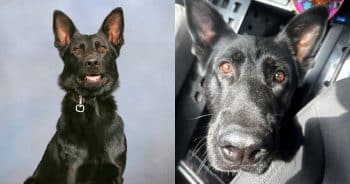
K-9 Ace, a police dog who lost his leg during a shooting while on duty, has returned home to his handler after weeks of recovery and rehabilitation.
The German Shepherd sustained the injury while assisting law enforcement in an active situation. Veterinarians performed amputation surgery to save his life, and Ace spent his recovery period receiving physical therapy and medical care to prepare him for life as a three-legged working dog.
Police departments across the country have increasingly invested in rehabilitation programs for injured K-9s. These dogs undergo specialized physical therapy similar to what humans receive, helping them regain mobility and confidence. Ace's recovery included sessions designed to strengthen his remaining limbs and improve his balance for daily activities.
His handler remained by his side throughout the healing process. The bond between police dogs and their handlers often proves critical to recovery outcomes. Handlers provide emotional support while also helping dogs adjust to physical changes and relearn movement patterns.
Ace's case highlights the risks law enforcement dogs face on the job. Police K-9s assist officers in tracking suspects, detecting explosives, and apprehending dangerous individuals. Many departments now have protocols in place for emergency veterinary care and post-injury support to ensure these working animals receive top-tier medical attention.
The German Shepherd's return home marks a success story for modern veterinary medicine and police K-9 programs. Three-legged dogs demonstrate remarkable adaptability, and many continue to live active, fulfilling lives with proper support. Ace's recovery demonstrates that amputation does not end a dog's ability to enjoy life or, in some cases, continue limited duty work.
His story resonates with communities and fellow law enforcement agencies. Police departments use cases like Ace's to raise awareness about the sacrifices working dogs make and the importance of comprehensive care for injured animals in service.