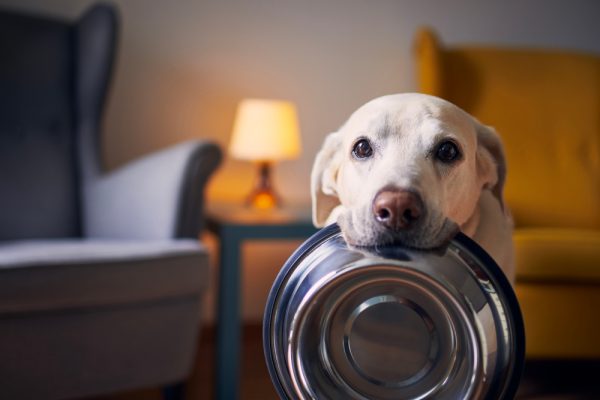
Dog bowl selection matters more than many owners realize. The right bowl protects your dog's health, lasts longer, and keeps food clean between meals.
Stainless steel bowls rank as the top choice for most dogs. They resist bacteria growth, don't retain odors or stains, and survive years of daily use. Stainless steel bowls also won't chip or crack like ceramic options. Dogs with metal sensitivities remain rare, making this material universally safe.
Ceramic bowls offer aesthetic appeal and work well for dogs without aggressive eating habits. The downside. Ceramic chips easily, creating sharp edges that cut gums and tongues. Once chipped, bacteria colonize the cracks beneath the glaze. Replace ceramic bowls immediately after damage appears.
Plastic bowls present hygiene risks despite their affordability and durability. Plastic develops microscopic scratches from regular use and chewing. These grooves harbor bacteria that standard washing cannot remove. Some plastic formulations also leach harmful chemicals into food and water. Avoid plastic for long-term feeding.
Elevated bowls benefit large and senior dogs by reducing strain on the neck and spine during eating. Standard flat bowls work fine for small and medium dogs with normal mobility.
Durability depends on material and construction. Reinforced stainless steel bowls withstand heavy chewers and years of use. Look for bowls with rolled rims that eliminate sharp edges. Dishwasher-safe options simplify cleaning routines.
Hygiene demands daily washing with hot water and soap. Remove food debris immediately after meals to prevent bacterial growth. Weekly deep cleaning in the dishwasher sterilizes stainless steel bowls completely. Inspect bowls monthly for cracks, chips, or discoloration.
Size matters too. Bowls should fit your dog's head comfortably without