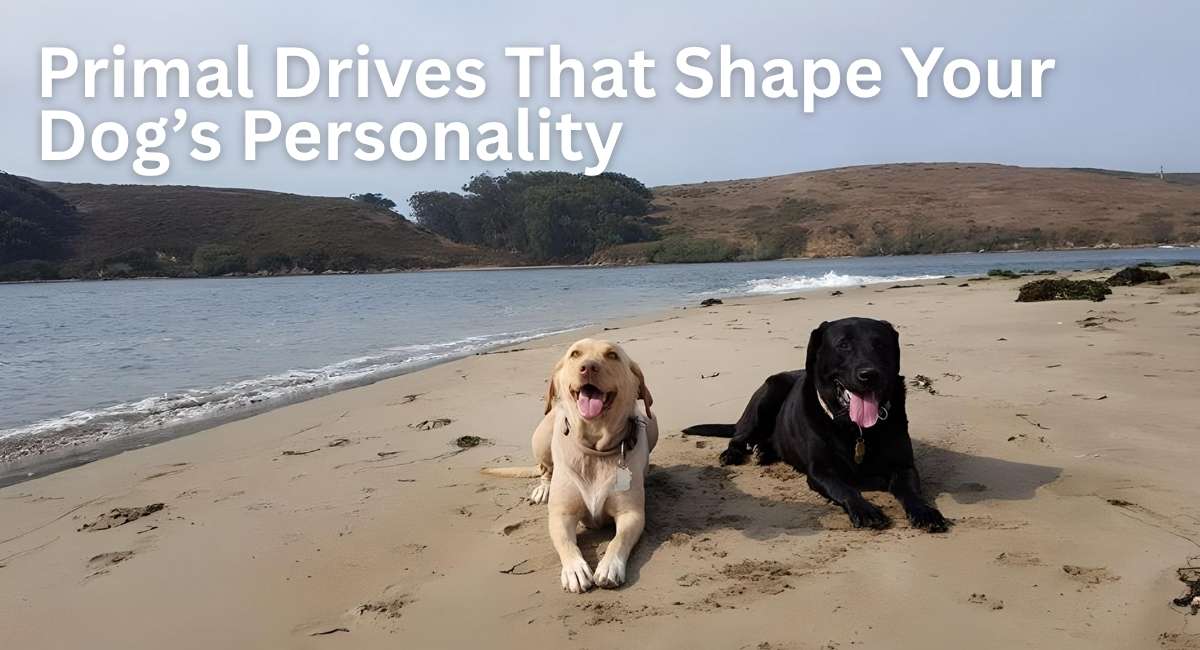
Your couch-dwelling companion retains powerful predatory instincts despite domestication. Three primal drives shape nearly every behavior your dog displays, from play to social interaction.
Dogs carry ancestral programming from their wolf ancestors. These instincts influence how they interact with family members, respond to stimuli, and navigate their environment. Understanding these drives helps owners interpret seemingly random behaviors.
The first drive involves hunting and prey pursuit. Even lap dogs experience urges to chase, stalk, and capture. This explains why your dog fixates on squirrels or lunges at passing bicycles. The second drive centers on pack dynamics and hierarchy. Dogs instinctively establish social order and seek leadership, affecting their relationships with other pets and humans. The third drive relates to territorial behavior and resource protection. Dogs protect spaces they consider theirs and defend valuable items.
Modern pet owners often suppress these drives unintentionally. Restricting outdoor time, preventing play, or punishing natural behaviors creates frustration. Recognizing and channeling these instincts constructively produces happier, better-behaved dogs.
Providing appropriate outlets transforms problematic behavior into positive engagement. Chase games, puzzle toys, and structured training activities satisfy hunting drives. Clear leadership and consistent boundaries address pack instincts. Designated safe spaces honor territorial needs.
Your groomed family pet remains fundamentally connected to its predatory past. Working with these instincts rather than against them unlocks your dog's natural behavioral balance.