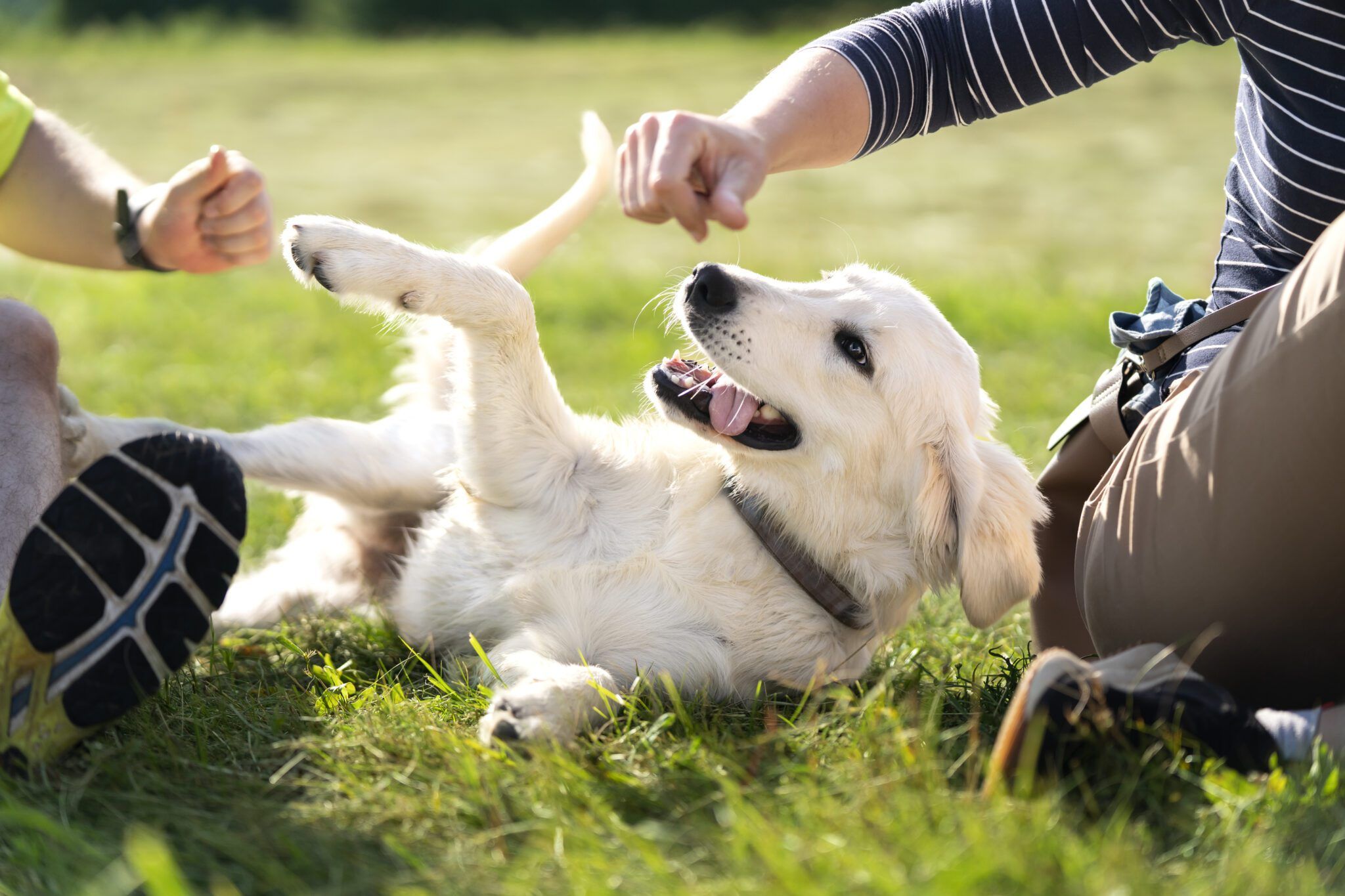
Dog owners often spare no expense on their pets. Premium food, professional training, toys, and affection fill their days. Yet many dogs experience low-level stress despite this care.
The disconnect reveals an important gap. Providing material comforts does not automatically create emotional safety for dogs. Owners must understand what actually makes their pets feel secure in their homes and environments.
Safety for dogs involves more than toys and treats. Environmental stability, predictable routines, and understanding canine body language matter more than owners realize. Dogs thrive when they know what to expect from their surroundings and their humans.
Creating a genuinely safe space requires owners to observe their dogs carefully. Signs of chronic stress include changes in eating habits, excessive barking, destructive behavior, or withdrawal. Addressing these issues demands identifying the root cause, not adding more toys to a toy bin.
The Whole Dog Journal explores practical steps owners can take to reduce their dogs' stress levels. This includes managing household chaos, establishing consistent schedules, and recognizing when professional help from a trainer or veterinary behaviorist is needed.
Dogs with attentive owners who prioritize emotional safety alongside physical comfort develop greater confidence and resilience.