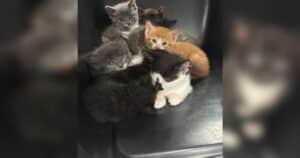
A rescue organization faced an overwhelming influx when 62 sick kittens and their five exhausted mother cats arrived simultaneously. The scale of the emergency stretched staff and resources to critical limits.
The kittens showed signs of illness requiring immediate veterinary attention and care. The nursing mothers, already depleted from round-the-clock feeding demands, needed support to survive the ordeal themselves.
Rescue teams implemented intensive care protocols across the board. They provided round-the-clock monitoring, medication administration, and nutritional support for both the young cats and their mothers. Volunteers worked extended shifts to handle bottle-feeding, litter box maintenance, and medical treatments.
The case highlights a recurring problem in animal rescue. Large-scale surrenders or discoveries of breeding colonies overwhelm local shelters and rescue groups. These organizations typically operate with limited budgets and rely heavily on volunteer labor.
The rescued cats faced a lengthy recovery period before they became available for adoption. The mother cats needed time to regain weight and health. The kittens required weeks of medical intervention and socialization.
This rescue underscores the importance of supporting local animal rescue organizations through donations, volunteering, and fostering programs. Communities that invest in these resources help reduce suffering during emergencies and increase survival rates for vulnerable animals.