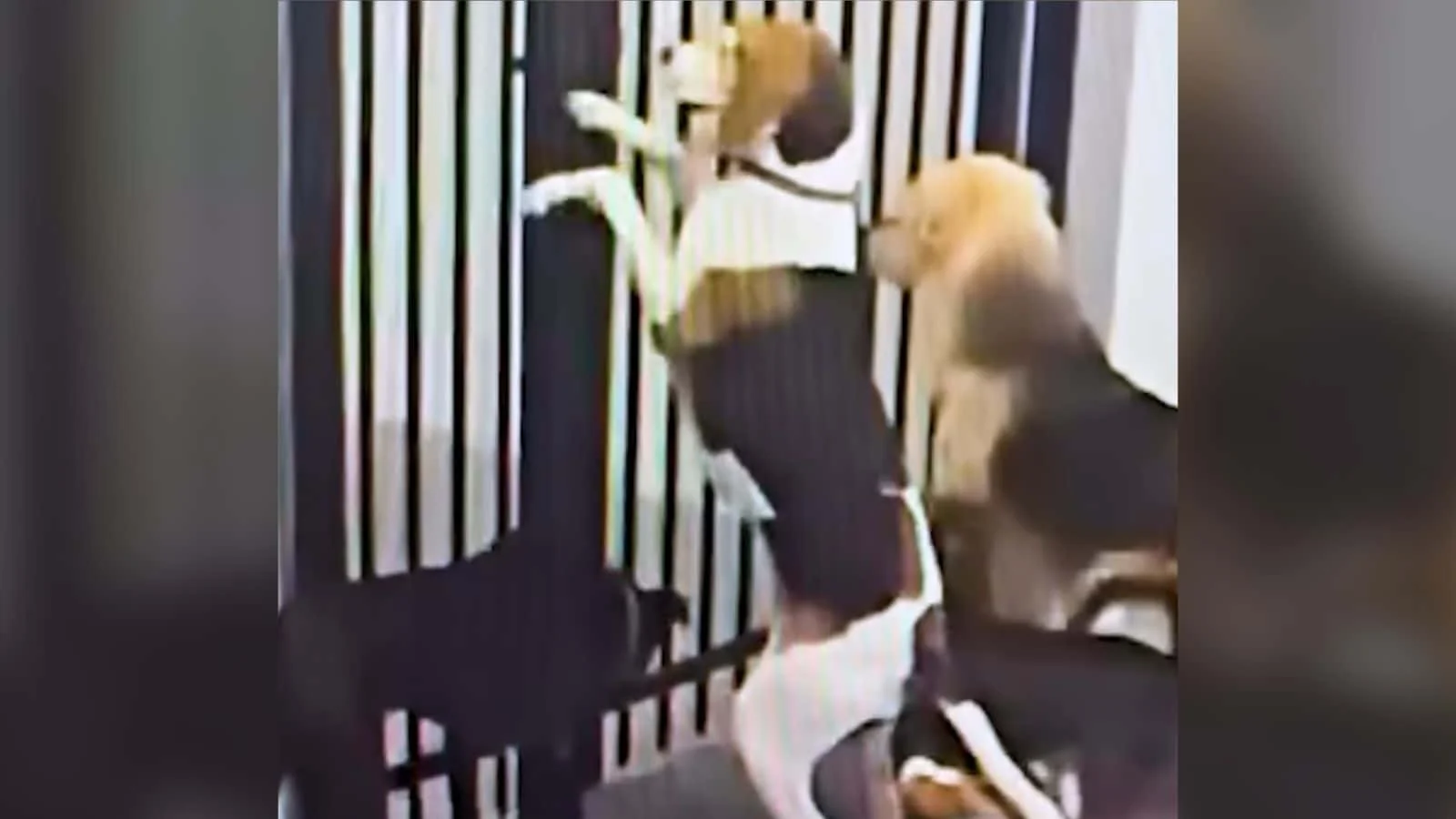
Chloe Joy is a delight, and the staff at Hounds Hideway clearly adore her. But a daycare gate that a clever hound can push open and let other dogs out is not a charming quirk. It is a safety gap, and the report makes clear that the lock was not secured when Chloe found it. The fix should not depend on how curious the resident troublemaker happens to be on a given day.
The report describes a sequence of escapes. Chloe pushed a gate open, the dogs on the other side followed, and a staff member said she seemed to notice the lock was not in place before she pushed through. The report also says she has released friends from timeout. Those are the facts the report gives. Whether anyone was hurt, and how long the dogs were loose, are not described, and that gap matters when a facility is judging its own risk.
The staff laughed as they described the escape, and the report treats it as a funny story. I understand the appeal. Yet the same report says the gate lock was simply not in place. A laugh does not check a latch. A facility that cares about its dogs should treat an unlocked gate as a failure to be corrected the same day, with a verified latch and a routine check before each shift.
The report also raises the question of motive, joking that Chloe might have been planning a party or chasing the smell of Chick-fil-A. The report offers those as jokes, not findings, and I will treat them the same way. The only motive that matters for a daycare is the operational one: an unlocked gate invites any clever dog to walk through it.
Hounds Hideway should review its gate hardware, confirm that every latch engages before dogs are placed in a room, and decide who is responsible for that check. The prom queen crown and the affection are real and deserved. But the affection should sit alongside a plain rule: if a dog can open the gate, the gate is not locked.