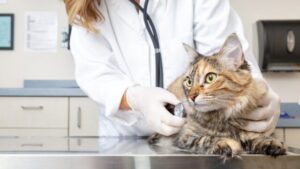
Dr. Grant Little, DVM, says cats should be checked on at least every 12 hours, though individual circumstances can change how long a cat can safely be left alone. The guidance comes from an article on iHeartCats, which notes that age, health, daily routine, and relationships with other pets all factor in.
Dr. Little says kittens and younger cats often need smaller, more frequent meals than adults, so extended time without supervision is less suitable for them. He also notes that kittens may knock over or scatter food, which can leave them without easy access to a meal.
According to Dr. Little, diabetes, heart disease, kidney or bladder infections, feline asthma, liver disease, chronic pancreatitis, cancer, and stress-related bladder inflammation warrant extra caution. He says insulin treatments for diabetic cats need to follow a fairly accurate schedule, and that consistently delaying doses by several hours can cause problems.
Dr. Little recommends automatic feeders that provide smaller meals throughout the day, along with accessible drinking water. He says water fountains may encourage cats to drink more regularly. He generally recommends one litter box per cat plus one additional box, and notes that automatic cleaning systems can help when someone is