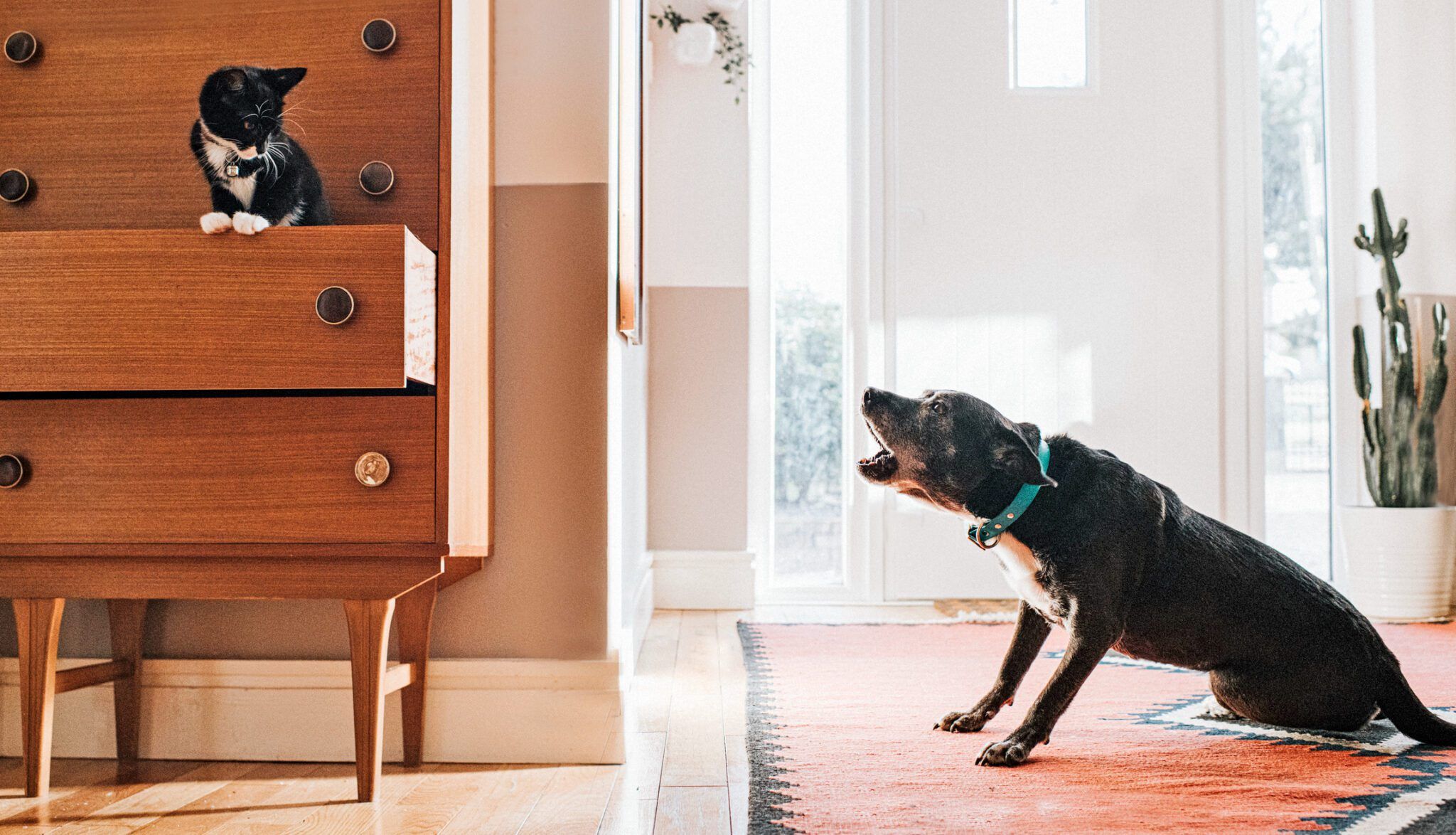
Raised hackles on dogs do not automatically signal aggression, according to Whole Dog Journal. Many dog owners interpret the sight of a dog's back hair standing on end as a sign of hostility, but this assumption overlooks the complexity of canine communication.
The response, a nervous-system reaction, requires careful interpretation. Context matters significantly when evaluating what raised hackles mean. Owners must examine the surrounding environment alongside other behavioral signals to understand what their dog is actually experiencing.
Body language provides essential clues. A dog's overall posture, stance, and movement patterns combine with facial cues to reveal the true emotional state. Micro facial expressions, though subtle, contribute important information about whether a dog feels threatened, excited, anxious, or aggressive.
Raised hackles can emerge from multiple emotional states beyond aggression. Dogs may raise their back hair when nervous, startled, or overstimulated. The response can also occur during play or heightened arousal in non-threatening situations. Without examining the full picture of the dog's behavior and environment, observers risk misinterpreting the signal entirely.
Whole Dog Journal emphasizes that dog owners should avoid jumping to conclusions based on appearance alone. Taking time to assess what is actually happening around the dog, observing its complete body language, and noting facial expressions creates a more accurate understanding of the dog's emotional state. This comprehensive approach prevents unnecessary panic and supports better interactions between dogs and their handlers.