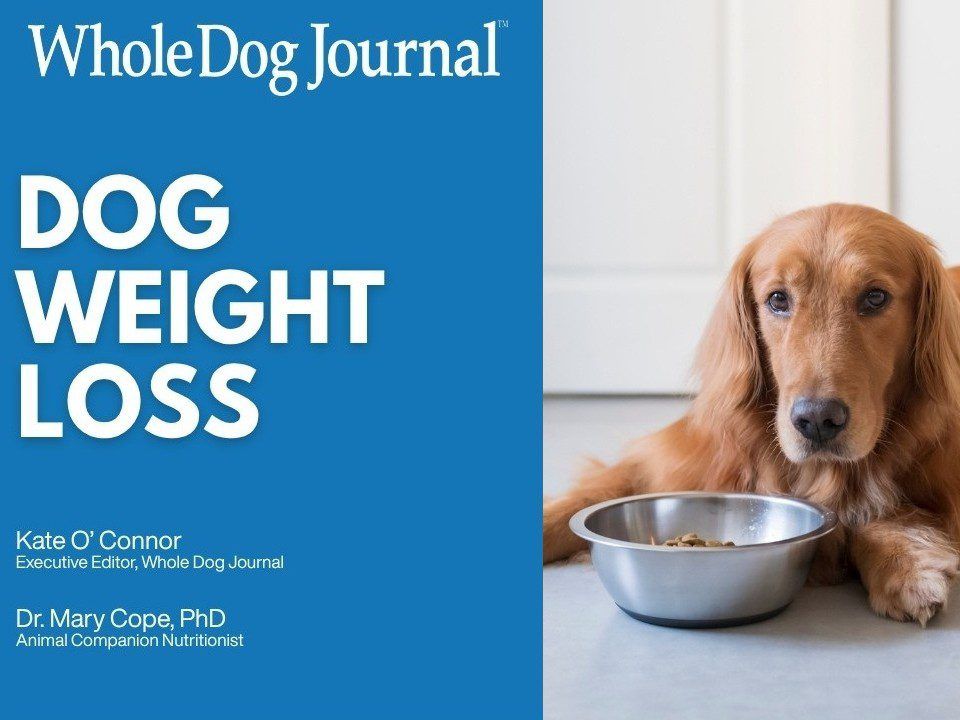
Excess weight in dogs raises serious health risks, including arthritis, diabetes, breathing problems, and mobility issues, according to Whole Dog Journal. The publication featured a conversation between executive editor Kate O'Connor and companion animal nutritionist Mary Cope, PhD, addressing how owners can identify and manage canine obesity.
Weight gain often develops gradually, making it easy for dog owners to overlook. The discussion explores practical steps for recognizing when a dog has become overweight and strategies for helping pets shed excess pounds. Cope, a companion animal nutritionist with a PhD, provided expert guidance on the topic.
The health consequences of canine obesity extend beyond simple weight concerns. Dogs carrying extra body fat face increased vulnerability to arthritis, which affects joint mobility and comfort. Diabetes risk rises with excess weight, creating potential metabolic complications. Breathing problems emerge as a concern, particularly in dogs with breathing-related predispositions. General mobility suffers as heavier dogs struggle with movement and physical activity.
Whole Dog Journal presented this information in video format, pairing O'Connor's questions with Cope's professional expertise. The resource provides owners with accessible information about recognizing obesity in their pets and taking corrective action. The publication emphasizes that weight management matters for canine health and quality of life.
The video discussion represents one approach to addressing pet obesity, a growing concern among dog owners. By featuring a credentialed nutritionist alongside a publication editor, the resource aims to deliver evidence-based guidance on canine weight management.