# Choosing the Right Hard-Sided Dog Crate for Your Pet
Dog crates serve multiple purposes in a pet's life, from house training to safe travel and secure containment. However, selecting the right crate requires understanding the distinct advantages of each type available to dog owners.
The market offers three main crate categories, each with specific benefits. Wire crates provide optimal visibility, allowing your dog to see their surroundings and participate in household activities while safely contained. Soft-sided crates prioritize portability and lightweight design, making them ideal for travel, vet visits, or moving between rooms. Hard-sided dog crates represent the third option, offering their own set of advantages that make them suitable for particular situations and dog types.
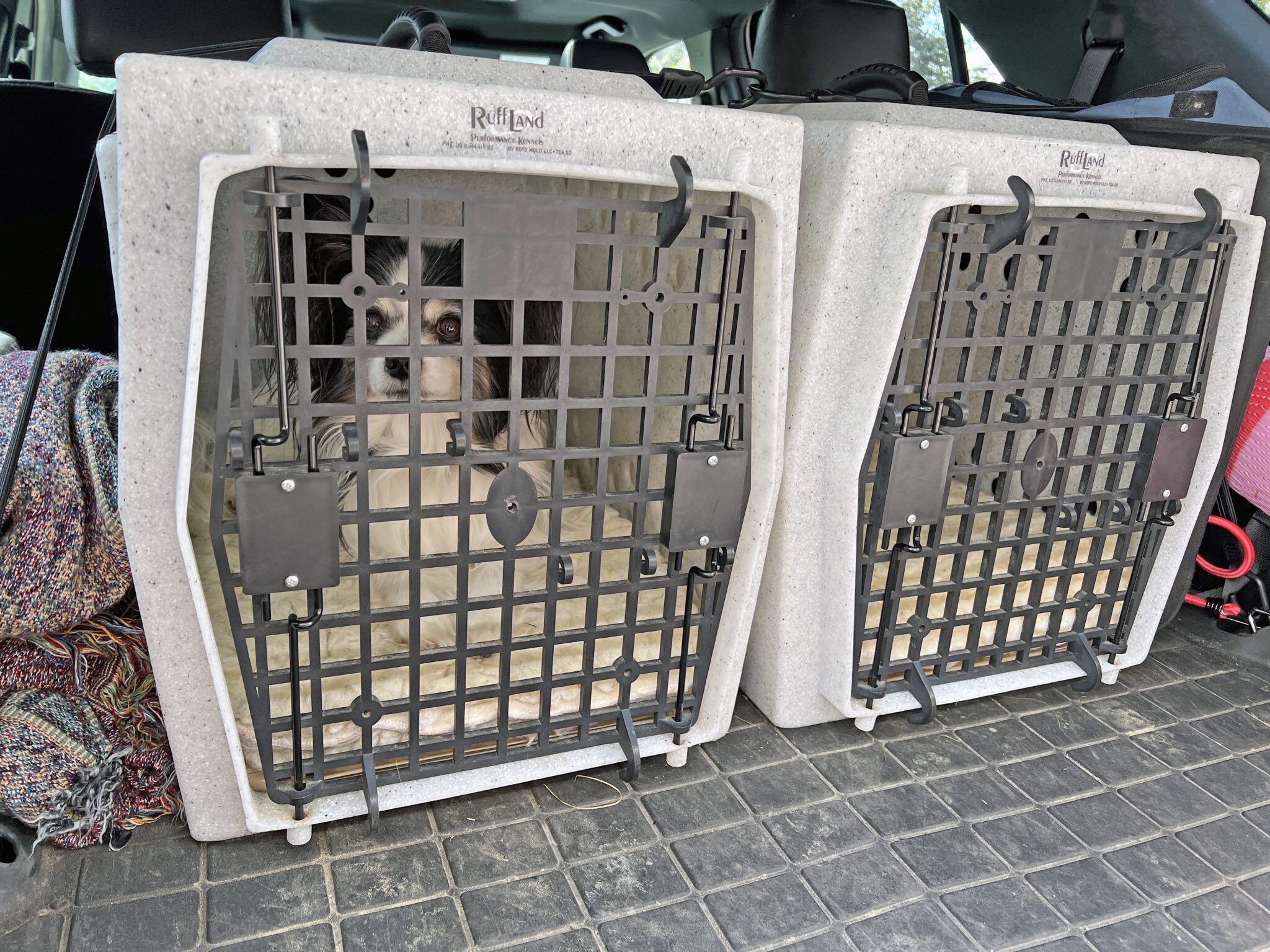
Hard-sided crates, typically constructed from plastic or composite materials, provide robust protection and durability. These crates excel in specific scenarios. They offer superior protection during car travel, as their rigid construction absorbs impact better than softer alternatives. Hard-sided crates also provide better insulation, keeping dogs warmer in cold environments. The enclosed design creates a den-like atmosphere that many dogs find naturally calming, reducing anxiety during stressful situations.
The construction quality of hard-sided crates varies considerably among manufacturers. Thicker plastic, reinforced seams, and secure locking mechanisms indicate better durability and safety. Dogs that are aggressive chewers may destroy soft-sided crates quickly, making hard-sided options more cost-effective long term. The solid construction also prevents dogs from poking paws or noses through weak points.
Size selection remains critical regardless of crate type. Your dog should be able to stand, turn around, and lie down comfortably. A crate too large defeats the house training purpose, as dogs naturally avoid soiling their sleeping area. Oversized crates encourage dogs to use one end as a bathroom. Conversely, cramped crates cause stress and discomfort.
Hard-sided crates come in various sizes, from extra-small models for Chihuahuas and toy breeds to extra-large versions accommodating German Shepherds and other large dogs. Measuring your dog's height and length ensures proper fit. Growing puppies may require multiple crates at different life stages unless you invest in a crate with a divider panel to adjust usable space.
Ventilation differs between hard-sided crate designs. Quality models feature multiple ventilation holes and panels, preventing overheating while maintaining structural integrity. Poor ventilation in plastic crates can create uncomfortable heat buildup, particularly in warm climates or during summer months.
Cleaning hard-sided crates takes minimal effort compared to wire alternatives. Washable plastic surfaces resist odor absorption. Removable trays facilitate quick cleaning after accidents. This easy maintenance appeals to busy dog owners managing multiple pets.
Airline travel often requires hard-sided crates meeting specific specifications. The International Air Transport Association (IATA) recognizes certain hard-sided models for in-cabin and cargo transport. Pet owners planning to fly with their dogs should verify IATA compliance before purchase.
Budget considerations range from budget-friendly basic models to premium crates with enhanced features and durability. Investing in quality construction pays dividends through years of use across multiple dogs if needed. Inexpensive crates frequently crack, break, or develop sharp edges creating injury hazards.
Whether crate training a new puppy, managing an anxious adult dog, or ensuring safe travel, hard-sided crates provide practical benefits. Understanding your dog's specific needs, size requirements, and intended use helps identify the best hard-sided crate for your household.