# The Best Catnip Products and Alternatives for Cats in 2026
Catnip remains one of the most popular enrichment tools for cat owners seeking to entertain and stimulate their feline companions. The herb, derived from Nepeta cataria, triggers a natural behavioral response in cats that activates their play instincts and provides mental stimulation. Understanding which catnip products work best and exploring alternatives ensures cat owners can choose the right option for their individual pets.
Catnip affects roughly 70 to 80 percent of cats, creating a temporary euphoric state that typically lasts between 5 and 15 minutes. The compound nepetalactone binds to receptors in a cat's nose, sending signals to the brain that produce the characteristic behaviors: rolling, rubbing, jumping, and increased playfulness. Not all cats respond to catnip, however. Kittens under three months old and some older cats show no reaction to the herb.
Quality matters when selecting catnip products. Fresh, potent catnip delivers stronger responses than older batches that have lost their volatile oils through exposure to light and air. Dried catnip stored in airtight containers maintains its effectiveness far longer than loose herbs left open on shelves.
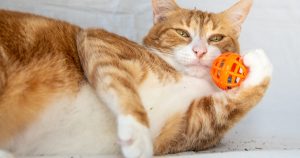
Several catnip options dominate the 2026 market. Traditional dried catnip buds offer a cost-effective choice for budget-conscious owners. Catnip-filled toys provide interactive play experiences when tossed or batted by cats. Catnip sprays allow owners to refresh toys and scratching posts without replacing them entirely. Catnip bubbles combine visual stimulation with scent, engaging multiple senses simultaneously. Premium organic catnip appeals to owners prioritizing pesticide-free products for their cats. Catnip blends mixed with other stimulating herbs like valerian root and silvervine create varied sensory experiences. Catnip-infused balls satisfy cats that prefer smaller, graspable toys. Cat-safe catnip treats incorporate the herb into edible snacks for cats that enjoy consumption alongside play.
For cats unresponsive to catnip, alternatives provide comparable enrichment. Silvervine, from the Actinidia polygama plant, triggers similar behavioral responses in some cats that show no catnip reaction. Valerian root produces a powerful scent that attracts many felines, though some cats find it less appealing than catnip. Cat grass offers nutritional benefits alongside mental stimulation. Honeysuckle wood provides long-lasting chewing satisfaction for cats that destroy traditional toys. Pheromone-based products create calming effects useful for anxious or stressed cats rather than playful stimulation.
Cat owners should observe their individual pet's response to any product before regular use. Some cats become overstimulated by catnip and require breaks between sessions. Others show minimal interest regardless of product quality. Rotating between different enrichment options prevents habituation, where cats stop responding to repeated exposure to the same stimulus.
Storing catnip properly extends its shelf life and maintains potency. Sealed containers kept in cool, dark places preserve the herb's active compounds far longer than room-temperature storage. Freezing dried catnip in airtight bags can extend freshness for several months beyond standard storage timelines.
The best catnip choice depends on individual cat preferences, response levels, and play style. Experimenting with various formats and alternatives helps owners identify which products their cats enjoy most and deliver the enrichment and entertainment cats need for healthy, active lifestyles.