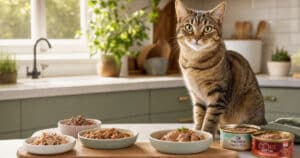
# The Best Wet Cat Foods for Indoor Cats in 2026
Indoor cats have different nutritional needs than their outdoor counterparts, and choosing the right wet food plays a vital role in their health and longevity. Wet cat food offers hydration, palatability, and nutrient density that many indoor cats need to thrive.
Indoor cats typically have lower activity levels than outdoor cats, which means they require fewer calories but still need complete nutrition. Wet food helps address a common problem among indoor cats: insufficient water intake. Cats are notoriously poor drinkers, and the moisture content in wet food helps prevent urinary tract issues and kidney disease, two conditions that frequently affect indoor felines.
When selecting wet cat food for an indoor cat, several factors matter. Protein content should be the primary ingredient and component. Cats are obligate carnivores, meaning their bodies require meat-based proteins to function properly. Look for foods where meat, poultry, or fish appears first on the ingredient list.
Fat content also requires attention. Indoor cats need balanced fat levels to maintain healthy skin and coat without becoming overweight. Most quality wet foods contain between 5 and 15 percent fat.
Calorie density matters for weight management. Many indoor cats struggle with obesity, so portion control and appropriate calorie levels are essential. A typical indoor cat needs between 200 and 300 calories daily, depending on age, size, and activity level.
Fiber content helps support digestive health and can aid in hairball management. Indoor cats spend more time grooming than outdoor cats, leading to increased hairball formation.
Top considerations when evaluating wet cat food include the brand's sourcing practices, whether the company conducts feeding trials, and if veterinarians recommend the product. Brands that invest in research and testing tend to produce more reliable, nutritionally balanced formulas.
Some cats have specific health needs. Those prone to urinary issues benefit from foods formulated to support urinary tract health. Cats with sensitive digestive systems may need limited ingredient diets. Senior cats often require foods with added joint support and adjusted nutrient ratios.
The texture of wet food varies considerably. Some cats prefer pates, while others like chunky gravies or broths. Indoor cats may be pickier eaters than outdoor cats, so having options available helps ensure they eat adequate nutrition.
Reading the guaranteed analysis on the label provides concrete information about protein, fat, fiber, and moisture percentages. This transparency helps you compare products objectively rather than relying on marketing claims.
Many veterinarians recommend rotating between different wet foods occasionally to prevent palatability issues while providing dietary variety. However, any diet changes should happen gradually over seven to ten days to avoid digestive upset.
Cost matters, but the cheapest option rarely provides the best nutrition. Premium brands typically use higher quality ingredients and stricter quality control. However, many mid-range options offer solid nutrition at reasonable prices.
Storing wet cat food properly extends shelf life and maintains nutritional value. Opened cans should be refrigerated and used within two to three days. Proper storage prevents bacterial growth and maintains food safety for your cat.