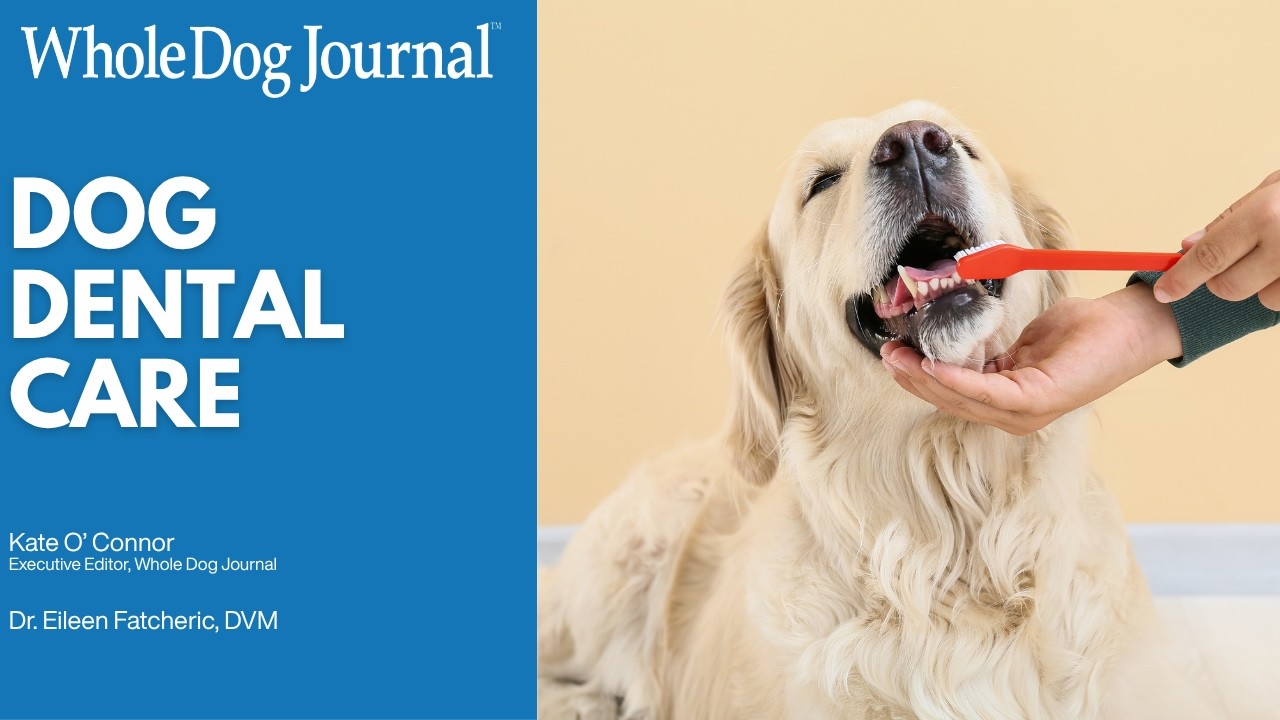
Dental disease ranks among the most prevalent health issues veterinarians encounter in dogs, yet it remains one of the easiest conditions to prevent with basic home care. Dr. Eileen Fatcheric, DVM, recently shared practical guidance on maintaining canine dental health in a video discussion with Kate O'Connor for Whole Dog Journal.
Dogs develop dental problems at alarming rates. Plaque and tartar accumulation leads to gum inflammation, tooth decay, and eventually tooth loss if left unaddressed. Beyond cosmetic concerns, untreated dental disease can allow bacteria to enter the bloodstream, potentially affecting the heart, kidneys, and liver. This makes preventive care not just about preserving teeth, but about protecting overall health.
Dr. Fatcheric emphasizes that owners hold substantial power in preventing these complications. The video covers several actionable steps dog owners can implement immediately. Regular tooth brushing remains the gold standard for dental maintenance. Brushing a dog's teeth several times per week, or ideally daily, removes plaque before it hardens into tartar. Using dog-specific toothpaste matters, as human toothpaste contains ingredients that aren't safe for dogs to swallow.
The veterinarian discusses warning signs that indicate dental trouble. Bad breath stronger than typical "dog breath," visible tartar buildup on teeth, reluctance to chew toys, dropping food while eating, and excessive drooling all warrant veterinary attention. Some dogs show behavioral changes like irritability or reduced eating when dental pain develops.
Beyond brushing, diet plays a role in dental health. While many assume hard kibble automatically cleans teeth through friction, that claim oversimplifies the issue. Some dental-specific dog foods and treats do contain ingredients that reduce plaque formation, though their effectiveness varies by product. Owners should discuss specific diet recommendations with their veterinarian based on their dog's individual needs and risk factors.
Professional cleanings remain essential. Unlike human dentistry where cleanings can occur under local anesthesia, veterinarians must place dogs under general anesthesia for thorough dental work. This allows for complete tartar removal above and below the gumline, plus assessment for underlying decay or disease. Dr. Fatcheric likely addresses this reality and helps owners understand when professional intervention becomes necessary.
Age and breed influence dental disease risk. Smaller dogs often develop problems earlier than larger breeds. Certain breeds like Yorkies, Chihuahuas, and Cavalier King Charles Spaniels show higher predisposition to dental issues. Older dogs require more vigilant monitoring unless preventive care began years earlier.
The video format allows Dr. Fatcheric to demonstrate proper brushing technique, something many dog owners struggle with initially. Correct angle, pressure, and which tooth surfaces need attention all factor into effective cleaning. Getting dogs accustomed to toothbrushing requires patience, but starting early in a dog's life makes the process easier.
Pet owners who watch this video gain practical knowledge to implement immediately at home. Starting a dental care routine today prevents expensive extractions and potential health complications tomorrow. Dr. Fatcheric's professional insight translates complex veterinary information into accessible guidance that empowers owners to take charge of their dog's oral health.