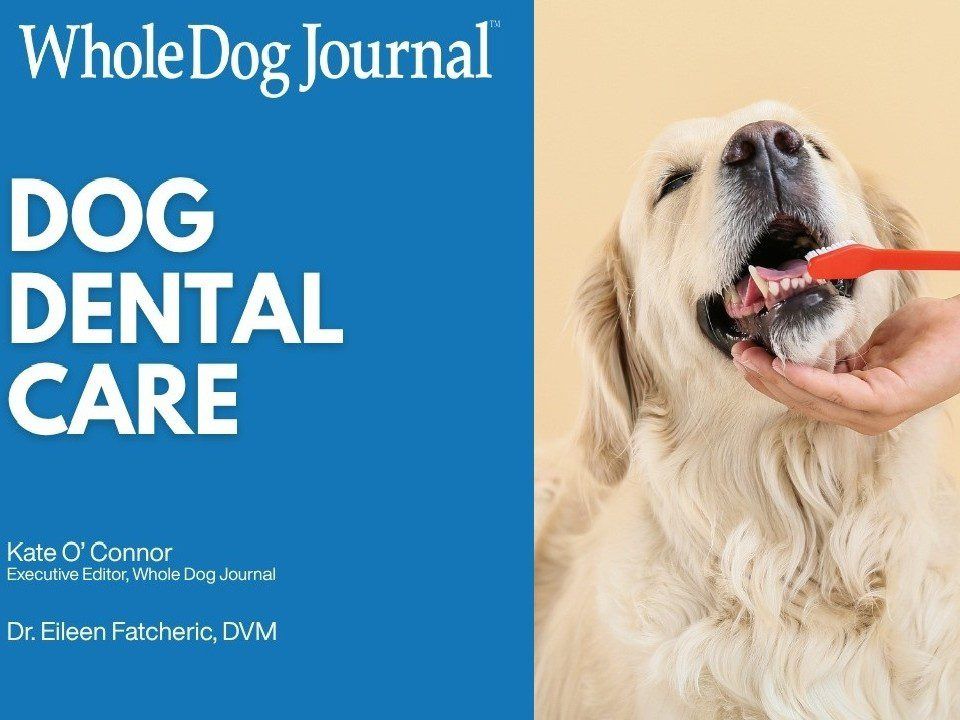
Dental disease ranks among the most common conditions veterinarians diagnose in dogs, yet many owners overlook it until serious complications develop. Dr. Eileen Fatcheric, DVM, explains that preventive dental care at home can stop disease progression and save dogs from painful tooth loss, infections, and costly extractions.
Dogs develop plaque and tartar buildup just as humans do. When left untreated, bacteria colonize the gum line and attack tooth structure. This leads to gingivitis, periodontal disease, and eventual tooth decay. The problem accelerates quickly. A dog with minor plaque accumulation at age three can face full-mouth extractions by age seven if owners skip preventive measures.
Dr. Fatcheric emphasizes that home dental care begins with daily brushing. She recommends using a soft-bristled toothbrush designed for dogs and canine-specific toothpaste, never human toothpaste. Most dogs adapt to brushing within two weeks if owners introduce it gradually. Start by letting your dog lick flavored toothpaste off your finger. Progress to gentle circular motions on the outer surfaces of teeth. Focus on the gum line where plaque accumulates most.
For dogs resistant to brushing, dental chews and toys designed to mechanically clean teeth provide secondary protection. Products like rope toys and rubber chew toys promote natural cleaning action. Some veterinarians recommend water additives that contain enzymes to reduce bacterial growth, though these work best alongside brushing.
Diet affects dental health significantly. Dry kibble creates more friction against teeth than wet food, helping remove loose debris. Some specialty dental diets contain ingredients that inhibit plaque formation. Ask your veterinarian whether your dog's current food supports oral health or if a dental-specific formula would help.
Professional cleanings remain essential. Dr. Fatcheric advises annual veterinary dental examinations for most dogs, with cleanings performed under anesthesia when plaque extends below the gum line. During these procedures, veterinarians identify early disease, remove stubborn tartar, and extract severely damaged teeth. Without professional intervention, home care alone cannot remove calcified tartar or treat established periodontal disease.
Warning signs that your dog needs veterinary attention include bad breath (beyond typical "dog breath"), visible brown or yellow buildup on teeth, red or swollen gums, difficulty eating, and excessive drooling. Some dogs develop behavioral changes like reluctance to play with toys or hesitation during meals when dental pain occurs.
Starting dental care early sets dogs up for lifelong oral health. Puppies benefit from getting accustomed to mouth handling and tooth brushing before adult teeth fully erupt. Even senior dogs with existing dental disease can benefit from treatment. Extracting severely infected teeth eliminates pain and prevents infection from spreading to the heart, kidneys, and liver.
Pet owners often assume dental disease is inevitable in dogs, but this belief underestimates what regular brushing and professional care accomplish. Dogs with consistent home and veterinary dental care maintain healthy teeth into their senior years, enjoy better quality of life, and avoid the stress and expense of emergency dental procedures.