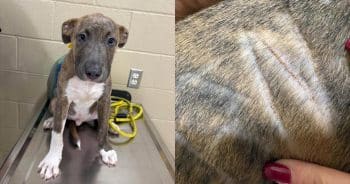
A puppy found wandering alone on the street bore an unusual and heartbreaking clue to his identity. Rescuers discovered the young dog had his name shaved directly into his fur, a detail that suggested deliberate abandonment by a previous owner rather than accidental separation.
The discovery prompted immediate action from animal rescue teams who worked to identify and locate the puppy's background. The name etched into his coat became the starting point for connecting the animal with his history and finding those responsible for his care. Rescue organizations circulated photos and details widely to help piece together what happened to the young dog.
This case highlights a troubling trend in animal abandonment where owners sometimes mark their pets in unusual ways before leaving them. The practice raises questions about owner responsibility and the emotional state of animals left to fend for themselves. Puppies lack survival skills and depend entirely on humans for food, shelter, and medical care. A young dog alone on streets faces serious dangers from traffic, predators, illness, and exposure.
The rescue brought the puppy into their care where veterinarians could assess his physical and mental health. Young dogs abandoned after bonding with humans often experience trauma and require behavioral support alongside medical evaluation. Shelter staff would have evaluated the puppy for injuries, parasites, malnutrition, and signs of abuse or neglect.
The puppy's case became public through animal rescue networks and social media, where many followers tracked his recovery and adoption prospects. These stories often inspire community support and donations to rescue organizations. Some people who see posts about abandoned animals volunteer their time or contribute resources to help more puppies like this one find permanent homes.
This situation underscores why microchipping and ID tags remain essential for all dogs. While the shaved name provided a unusual identifying marker, it resulted from abandonment rather than responsible pet ownership. Standard identification methods allow lost pets to be reunited with families quickly without requiring owners to mark animals' bodies permanently.
Rescue organizations continue to advocate for spaying and neutering programs, affordable pet ownership support, and education about responsible pet care. Many communities offer low-cost veterinary services specifically to help owners keep their animals rather than surrendering them to shelters. When people face financial hardship or life changes, these resources can prevent abandonment situations altogether.
The puppy's recovery journey reflects the work of dedicated rescue workers who respond when animals are left behind. Their efforts include emergency care, behavioral rehabilitation, and finding suitable adoptive families. Most rescued puppies who receive proper care recover well and go on to live normal, healthy lives with new owners who commit to their long-term welfare.