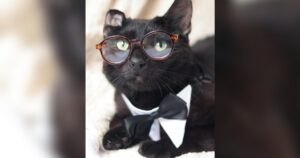
# Shelter's 'Hunky House Panther' Proves Imperfection Doesn't Diminish Love
A black cat named Panther captured hearts at his animal shelter not by looking perfect, but by embodying exactly what makes rescue animals so rewarding. The shelter described the gum-grinning feline as a "Hunky House Panther" despite his missing teeth, one crinkly ear, and well-worn appearance. His unconventional looks don't slow him down one bit.
Panther arrived at the shelter carrying the marks of a tough life. A full dental extraction left him without teeth, yet he grins with the kind of joy that makes shelter staff fall in love with him daily. One of his ears crinkles at an odd angle, adding character rather than detracting from his charm. His black coat tells stories of survival and resilience. Yet none of these details define who Panther is to the people caring for him.
What Panther possesses in abundance is personality. The shelter's tongue-in-cheek marketing calling him a "Hunky House Panther" speaks to the confidence radiating from this cat. Despite his age and physical differences, he moves through the shelter with swagger. Staff members photograph him, share his story, and watch potential adopters fall for him instantly once they meet him in person.
The "Hunky House Panther" narrative represents a larger shift in animal rescue. Shelters increasingly recognize that senior cats, cats with dental disease requiring extraction, and cats with minor physical differences possess the same capacity to love and comfort humans as picture-perfect kittens. Panther's story challenges the assumption that adopters only want young, perfectly healthy animals.
Cats like Panther often spend longer in shelters waiting for homes. Shelter staff must work harder to market older felines or those with visible health conditions. Creative descriptions and honest photography help potential adopters envision these cats in their homes. Panther's toothy grin became his trademark rather than a reason to overlook him.
For adopters considering an older cat or one with dental disease, Panther demonstrates the reality: cats without teeth adapt remarkably well. They eat wet food with ease, drink normally, and experience no pain once extraction heals. Many cats become more affectionate and playful after dental disease removal, since chronic mouth pain finally stops. Panther's energy and attitude suggest he appreciated the relief.
The missing teeth and crinkly ear also make Panther instantly recognizable. Shelter staff and volunteers remember him easily. Visitors spot him from across the room. That visibility increases adoption chances significantly. Physical quirks transform into marketing advantages when framed correctly.
Panther's story resonates because it reflects real adoption success. This cat needed a shelter willing to invest in his care, perform necessary extractions, and then market him as the catch he truly is. The shelter didn't hide his imperfections or pretend he was something he wasn't. They celebrated exactly who Panther became. His swagger and spirit proved far more compelling than any physical perfection ever could.
For families hesitant about adopting older or special-needs cats, Panther stands as proof that love works both ways. A cat with his history and personality repays a loving home with companionship and character that younger cats often cannot match.