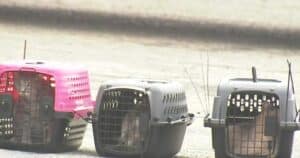
# Hundreds of Cats Removed from Rescue After Neighbor Complaints About Conditions
Authorities removed hundreds of cats from a rescue operation following complaints from neighbors about overcrowding and living conditions at the facility. The large-scale rescue operation highlighted the tension between animal welfare advocates and surrounding communities when rescue operations expand beyond sustainable limits.
Neighbors reported concerns about the cat rescue's operations before authorities intervened. Complaints centered on overcrowded conditions, sanitation issues, and the sheer number of animals housed at the facility. These neighbors expressed worry about disease transmission, odors affecting the surrounding area, and the overall welfare of the animals in the rescue's care.
When animal control and local authorities conducted inspections, they discovered conditions that warranted immediate action. Officials made the decision to remove hundreds of cats from the premises. The removal operation represented a significant intervention and raised questions about how rescue operations should be managed and monitored in residential neighborhoods.
Cat rescues serve a vital role in animal welfare by providing shelter to abandoned, stray, and surrendered felines. Many operate as nonprofit organizations staffed by dedicated volunteers. However, the capacity of these facilities can become strained when intake exceeds available resources. Overcrowding leads to stress for the animals, increased disease risk, and operational challenges that staff struggle to manage.
The removal of hundreds of cats from a single location required coordination between animal control, local authorities, and likely multiple receiving shelters. The logistics of relocating that many animals involve veterinary assessments, temporary housing, medical care, and adoption placement efforts. Each cat needs individual evaluation to determine its health status and adoptability.
This situation raises practical questions for rescue operators and communities. How many cats can a facility responsibly house given its physical space, staffing levels, and financial resources? What warning signs indicate a rescue operation is operating beyond sustainable capacity? How should neighbors and rescue operators communicate about concerns before situations escalate?
Rescue organizations typically follow guidelines from veterinary and animal welfare organizations about appropriate animal density and care standards. The American Veterinary Medical Association and The Humane Society provide resources about proper shelter operations. When facilities exceed these standards, animal welfare suffers and neighboring properties may experience effects like noise and odor issues.
For pet owners looking to support cat rescue, this situation offers a lesson about vetting rescue organizations before adoption or donation. Established rescues maintain transparent operations, provide medical care for animals, keep facilities clean, and maintain appropriate animal-to-caregiver ratios. Asking questions about an organization's capacity, funding, and operational practices helps ensure that support goes to effective programs.
The removal of hundreds of cats represents both a crisis and an opportunity. It draws attention to the ongoing challenge of homeless cats and the limits of informal rescue operations. It also demonstrates that communities, authorities, and animal welfare advocates need to work together to find solutions that protect both animals and neighborhood residents.
Moving forward, this incident likely sparked conversations about licensing requirements for rescues, community oversight, and resources available to legitimate operations. Sustainable cat rescue requires adequate facilities, trained staff, veterinary support, and reasonable population limits.