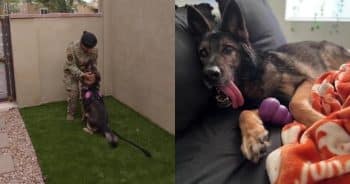
# Airman Reunites With Military K9 Partner After Years Apart
An Air Force airman faced an agonizing choice when her military career took her away from her canine partner. The separation tested the bond between handler and working dog, but their story found an unexpected second chapter when circumstances aligned for a reunion.
Military working dogs serve in critical roles across all branches of the armed forces. These dogs work as patrol canines, detection dogs for explosives and narcotics, and personal protection animals for service members. The relationship between handler and dog becomes deeply personal, especially when they work together in high-stress environments. When handlers receive reassignment, deployment, or separation from active duty, many face the heartbreak of leaving their four-legged partners behind.
The handler in this story experienced that exact pain. Military protocol typically prevents handlers from adopting their working dogs immediately after separation, even when strong bonds exist. Working dogs remain the property of the military and must be reassigned, retired, or placed through official channels. Handlers often wonder about the fate of their partners and harbor hope for eventual reunification.
In many cases, military working dogs transition into retirement after years of service. Some dogs experience behavioral or health changes that make them suitable for civilian life. Others continue working with new handlers. The decision to retire a dog involves veterinary assessment, behavioral evaluation, and consideration of the dog's quality of life. Retired military dogs often become available for adoption by former handlers or civilians willing to provide homes for these trained animals.
This particular reunion happened because the dog became available for adoption after completing its service. The airman learned of the opportunity and pursued it, successfully bringing her former partner home. The adoption process for retired military working dogs typically involves background checks, home assessments, and education about the dog's training and any behavioral considerations.
Military working dogs face unique challenges in civilian life. These dogs receive extensive training in obedience, detection work, and protection tasks. That training shapes their behavior and instincts. A dog trained to alert on explosives or narcotics may react to common household items in unexpected ways. Dogs trained in protection work require experienced handlers who understand their impulses. Transitioning from active duty to family life requires patience, proper management, and sometimes additional training to help the dog decompress.
The reunion between handler and dog represents more than an emotional victory. It reflects the growing recognition that military handlers develop genuine bonds with their working partners and often provide ideal homes for retired dogs. Many military branches now facilitate adoptions by former handlers when possible, understanding that these relationships benefit both the handler's emotional wellbeing and the dog's adjustment to civilian life.
This story demonstrates the lasting connection between service members and their K9 partners. The months or years apart did not erase the bond formed through shared work and trust. When the opportunity arrived, the handler seized it, giving her former partner a home with someone who understood the dog's training, capabilities, and needs. For military working dogs transitioning to retirement, few outcomes prove better than placement with handlers who already know them and can provide continued structure and care.