# 13 Dog Breeds Thrive When Given a Job to Do
Some dog breeds sink into depression and destructive behavior without meaningful work. These dogs need purpose, not just walks and treats. Understanding which breeds require jobs helps owners set realistic expectations before bringing one home.
Dogs bred for specific tasks over centuries have drive hardwired into their genetics. Border Collies, bred to herd sheep across Scottish hillsides, become anxious and destructive when confined to suburban backyards. German Shepherds, developed as working police and military dogs, need mental stimulation that exceeds a typical pet routine. Jack Russell Terriers, originally fox hunters, possess boundless energy that demands channeling into activities rather than furniture destruction.
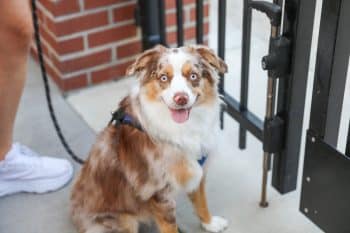
Purpose-driven breeds include Belgian Malinois, Siberian Huskies, Weimaraners, Rhodesian Ridgebacks, Vizslas, Australian Shepherds, Brittany Spaniels, English Springer Spaniels, Alaskan Malamutes, Boxer dogs, Pointer breeds, and Rottweilers. Each breed type carries a history of work. When these instincts go unfulfilled, behavior problems emerge.
The solutions exist across many options. Herding breeds excel in agility competitions, obedience trials, and dock diving events. Hunting breeds thrive with scent work training and retrieval games. Service dog work suits many purpose-driven breeds. Search and rescue training provides meaningful engagement. Even puzzle toys and scent detection games at home channel energy productively.
Border Collies demonstrate this reality sharply. A Border Collie working sheep stays mentally sharp, physically exercised, and emotionally fulfilled. The same breed in a small apartment without enrichment often develops obsessive behaviors, excessive barking, and anxiety-driven destruction. The dog hasn't changed. The environment has failed to meet its needs.
German Shepherds originally worked alongside police officers and military handlers. Today, many serve as service dogs, therapy animals, and protection dogs. Those in homes without structured training programs often display behavioral issues. Responsible owners establish training regimens, competitive outlets, or working partnerships that honor the breed's heritage.
New dog owners frequently underestimate these requirements. Adopting a Weimaraner because of its sleek appearance without understanding its need for vigorous daily exercise sets both dog and owner up for failure. The breed earned its nickname "Gray Ghost" by following hunters across fields all day. Modern apartment living contradicts this bred-in need.
Purpose doesn't require professional work. Puzzle toys, scent detection games, hiking adventures, dog sports, and structured training sessions all provide outlets. Some owners create jobs for their dogs through tasks like carrying backpacks on hikes or fetching specific toys by name. These activities engage the problem-solving abilities these breeds possess.
Prospective owners of purpose-driven breeds should honestly assess their lifestyle and commitment level. Long work hours, limited space, or low activity tolerance make these breeds poor matches. Conversely, active families who enjoy training, sports, or outdoor adventures often find these breeds rewarding partners.
Rescue organizations can help match dogs to suitable homes. They understand which dogs need jobs and connect them with families ready to provide meaningful engagement. This pairing prevents the cycle of returned dogs and frustrated owners.
Understanding breed-specific needs creates stronger human-dog relationships. Purpose-driven dogs aren't broken or difficult. They're simply being asked to live lives that contradict their core nature. When owners provide appropriate work, these breeds transform into confident, stable, and deeply bonded companions.