# What Your Cat's Sleeping Position Really Tells You About Their Health and Mood
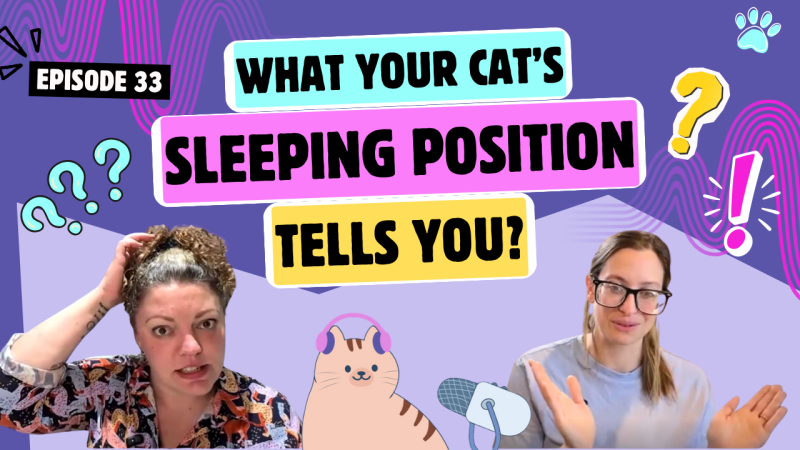
Cats spend roughly 70 percent of their lives sleeping, but not all rest is created equal. The positions cats choose reveal volumes about their physical comfort, emotional state, and overall wellbeing. Episode 33 of Catster's Chatty Cattys podcast explores the language cats speak through their sleep habits, from vulnerable sprawls to the famous "loaf" position.
The loaf position stands out as one of the most recognizable cat sleeping poses. Cats assume this posture by tucking their paws underneath their body and folding their tail around themselves, creating a compact loaf-like silhouette. This position indicates a cat feels safe enough to rest while maintaining readiness. Unlike the full sprawl, loafing keeps a cat's legs prepared for quick movement if needed. Cats typically loaf in familiar environments where they trust their surroundings.
Different sleeping positions carry different meanings for cat owners seeking to understand their pets. The side sleep, where cats stretch out fully on their sides, signals deep relaxation and contentment. Cats rarely adopt this vulnerable position unless they feel completely secure in their environment. The upside-down belly-up sleep, though adorable, combines vulnerability with confidence. A cat exposing its belly demonstrates trust in its owner and household.
The curled-up ball position represents defensive rest. Cats curl tightly into themselves to conserve body heat and protect vital organs. Indoor cats may adopt this pose simply from habit or preference, while outdoor cats use this position for warmth and safety. Senior cats and those experiencing anxiety often favor tight curling positions.
Sleeping in tubes, boxes, and enclosed spaces reflects a fundamental feline need for security and den-like environments. Cats seek enclosed spaces to reduce sensory input and create feelings of protection. This behavior stems from their wild ancestors, who used dens for shelter and safety. Providing tube beds, cardboard boxes, or covered cat furniture supports natural cat instincts and reduces stress.
Understanding these positions helps owners recognize health changes. A cat that suddenly abandons its favorite sleeping position or becomes unable to move comfortably may signal pain or illness. Joint problems, dental disease, or internal discomfort can alter sleeping habits. Cats experiencing stress from environmental changes, new pets, or household disruptions often shift to tighter, more defensive sleeping postures.
Sleep quality directly impacts cat health. Cats require 12 to 16 hours of sleep daily to maintain physical and mental wellbeing. Quality rest supports immune function, digestion, and emotional regulation. Creating optimal sleep environments with quiet spaces, comfortable bedding, and consistent routines improves rest quality.
Cat owners benefit from observing sleep patterns as a wellness indicator. Dramatic changes in sleep position, duration, or location warrant veterinary attention. A cat sleeping more than usual combined with behavior changes could indicate thyroid problems, diabetes, or other conditions requiring treatment.
Chatty Cattys Episode 33 reminds pet owners that cat behavior always communicates something. By learning to read these sleeping signals, owners deepen their understanding of their cats' needs and can respond with appropriate environmental adjustments, comfort measures, or veterinary care when necessary.