# Do Dogs Really Need Anesthesia For Teeth Cleaning?
Pet owners often pause when veterinarians recommend anesthesia for canine dental cleanings. The prospect of sedating your dog for what sounds like routine care understandably triggers concern. However, veterinary professionals explain that anesthesia during professional teeth cleaning serves essential purposes that at-home brushing cannot replicate.
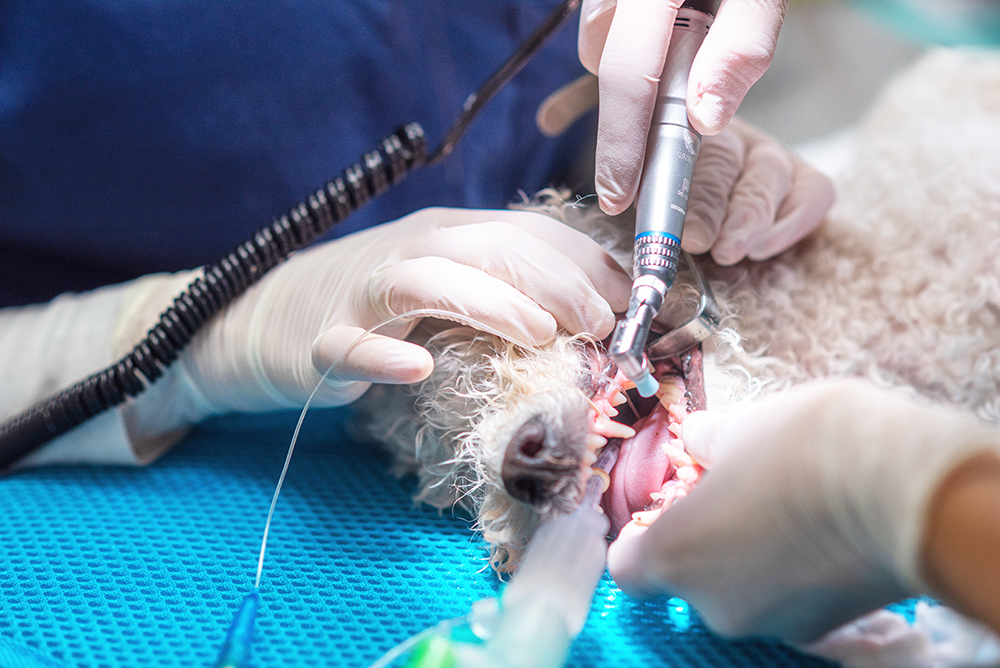
Dogs cannot hold still or open their mouths wide enough for thorough cleaning without sedation. Unlike humans who cooperate during dental appointments, dogs lack the ability to understand the procedure or remain motionless for 30 to 60 minutes while a veterinarian works in their mouth. Anesthesia allows the vet to access all tooth surfaces, reach below the gumline where plaque and tartar accumulate, and perform necessary extractions if teeth are diseased or damaged.
Professional dental cleaning targets areas that home care misses. Most dog owners brush the outer surfaces of their pet's teeth, but the inner surfaces and spaces between teeth trap bacteria and food debris. Veterinary cleaners use ultrasonic scalers to remove buildup and then polish teeth to slow future plaque formation. Without anesthesia, this thorough cleaning becomes impossible.
The anesthesia protocols used for canine dentistry have evolved considerably. Modern veterinary medicine employs safer anesthetics and monitoring equipment that reduce risks significantly. Pre-operative bloodwork screens for underlying health issues that might complicate anesthesia. Veterinarians adjust anesthetic dosages based on your dog's age, weight, and medical history. During the procedure, trained technicians monitor heart rate, blood pressure, oxygen levels, and body temperature continuously.
Delaying professional cleanings creates greater risks than anesthesia itself. Untreated dental disease progresses to serious infections that spread to the heart, kidneys, and liver. Bacteria from infected teeth enter the bloodstream and damage vital organs. Painful teeth often cause dogs to stop eating or experience behavioral changes. Advanced periodontal disease may require tooth extraction, which still requires anesthesia but becomes more complicated and costly.
The frequency of professional cleanings depends on your individual dog. Smaller breeds like Chihuahuas and toy poodles develop plaque and tartar faster than larger dogs and may need annual cleanings. Larger breeds might go two to three years between cleanings with excellent home care. Your veterinarian can assess your dog's teeth during regular checkups and recommend an appropriate cleaning schedule.
Home dental care remains valuable even with professional cleanings. Daily tooth brushing with enzymatic dog toothpaste reduces plaque between professional visits. Dental treats, water additives, and prescription diets formulated for oral health support overall dental wellness. However, these measures cannot replace the deep cleaning that only anesthesia allows.
Discussing anesthesia concerns with your veterinarian helps clarify the specific risks and benefits for your dog. Your vet can explain the pre-operative testing, anesthetic protocols, and post-operative care your individual dog will receive. They can also answer questions about alternatives, though professional organizations generally agree that anesthesia-free dental cleaning does not adequately remove tartar below the gumline where disease starts.
Protecting your dog's teeth protects their overall health and quality of life. Professional dental cleaning with appropriate anesthesia remains the gold standard for preventing painful and costly dental disease in dogs.