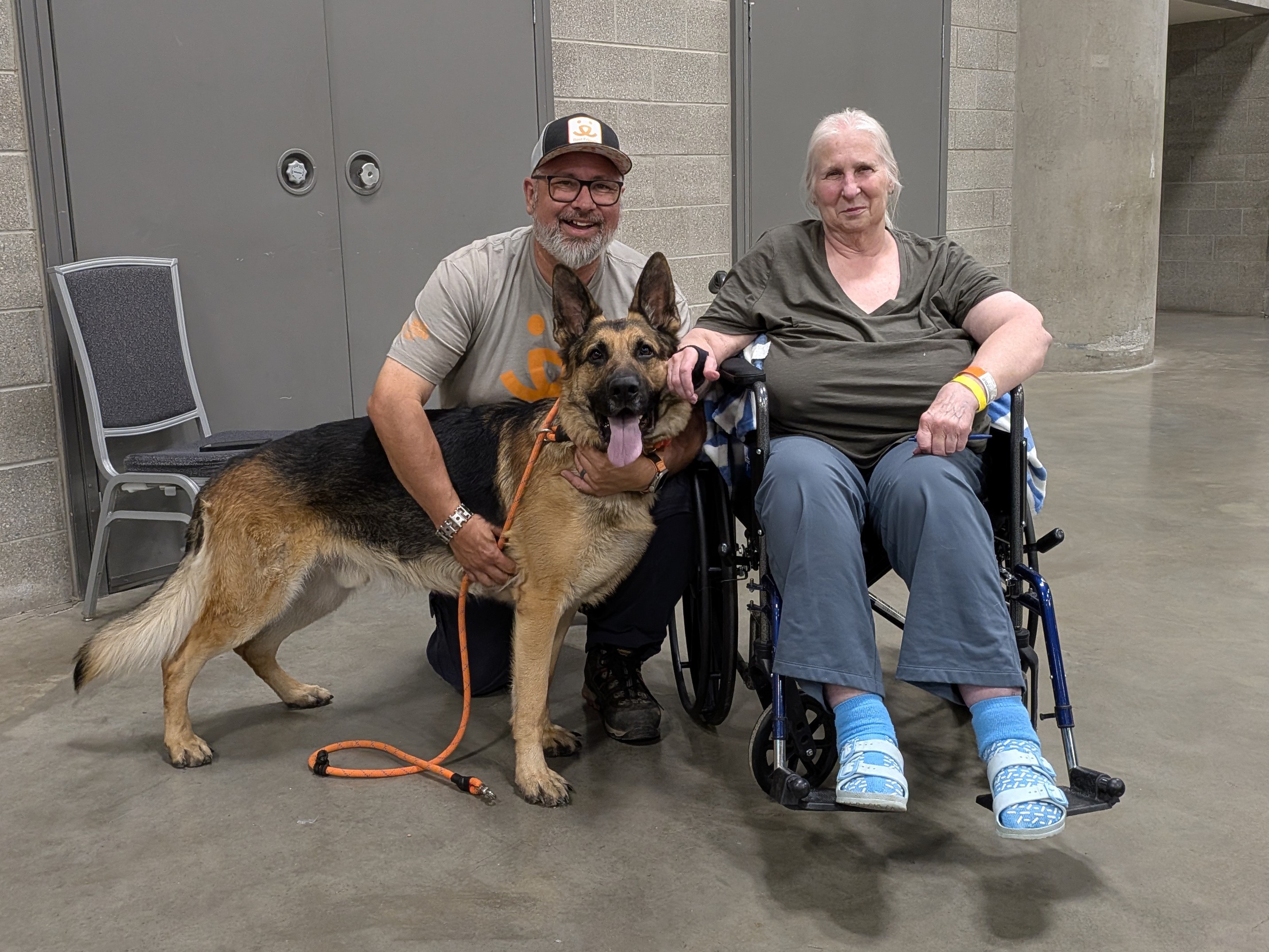
# Wildfire Hero: How This German Shepherd Saved Lives
German Shepherds have long served as working dogs across police, military, and rescue operations. Their intelligence, trainability, and acute senses make them exceptional at detecting danger before humans recognize threats. One remarkable German Shepherd recently demonstrated these capabilities during a wildfire emergency, using behavior and alertness to warn residents of approaching fire.
The dog's actions showcase what animal behavior specialists know about canine perception. Dogs process sensory information differently than humans do. They detect smoke, heat changes, and air pressure shifts far earlier than people notice danger. German Shepherds specifically possess heightened olfactory abilities and territorial awareness that trigger distinct behavioral patterns when sensing threats.
The warning signs this dog displayed, staring toward windows and becoming restless without apparent cause, are classic indicators of canine alarm. Returning repeatedly to the same location signals the dog was trying to communicate something specific about that area or direction. Dogs cannot speak human language, but they communicate through body language and behavioral changes when something feels wrong.
German Shepherds excel in wildfire response situations for several reasons. Their stamina allows them to work long hours across dangerous terrain. Their size and strength enable them to navigate debris and difficult conditions. Their trainability means they follow handler commands even in high-stress environments. Search and rescue organizations have integrated German Shepherds into wildfire response teams across California, Oregon, and other fire-prone regions, where these dogs locate missing people and alert handlers to environmental hazards.
This particular dog's actions underscore why fire departments and emergency management agencies value canine partners. The American Red Cross and local fire services increasingly recognize dogs as early warning systems for threats that develop too quickly for traditional detection methods. A dog alerting a household to danger can mean the difference between successful evacuation and tragedy.
Pet owners living in wildfire zones should pay attention to sudden behavior changes in their dogs. Restlessness, pacing, whining, or fixation on specific areas warrant investigation. These behaviors might indicate smoke in the distance, approaching fire, or air quality changes invisible to human senses. Installing air quality monitors and maintaining an evacuation plan remains essential, but dogs serve as an additional layer of awareness.
Training programs for working German Shepherds in rescue and detection roles emphasize these natural instincts. Handlers learn to recognize and respond to subtle behavioral shifts that signal danger. The bond between handler and dog allows for rapid communication and coordinated response.
This German Shepherd's heroic actions remind pet owners of the depth of animal intuition and the value of paying attention to what our dogs try to tell us. During emergencies, their warnings can protect entire families.