# The Most Inquisitive Cat Breeds: Which Ones Need to Know Everything
Some cat breeds seem hardwired to investigate every corner of their home, every sound, and every activity their owners undertake. These curious felines don't settle for lounging in a sunny spot. They need to participate, observe, and understand their environment. Understanding which breeds display this investigative nature helps owners prepare appropriate enrichment and manage their homes accordingly.
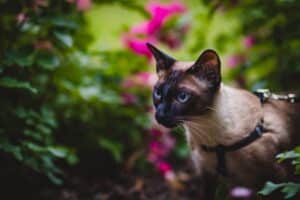
Certain breeds stand out for their relentless need to explore and engage with their surroundings. Siamese cats top the list of vocal, people-focused explorers. These cats follow their owners from room to room, inserting themselves into conversations and demanding to know what's happening at all times. Their intelligence and attachment to humans drive this behavior. Siamese cats thrive on interaction and become distressed if excluded from household activities.
Bengal cats, bred from Asian leopard cats, carry strong prey drives and investigative instincts. These athletic animals need mental stimulation through puzzle feeders, interactive toys, and climbing structures. Without adequate engagement, Bengals become destructive, knocking items off shelves and investigating cabinet contents. Their curiosity isn't a choice. It's a breed characteristic rooted in their wild ancestry.
Abyssinian cats rank among the most active and inquisitive breeds available. These slender, energetic felines cannot resist investigating everything. Abyssinians climb, leap, and explore every vertical surface in their homes. They participate in household routines and follow family members constantly. Owners report that Abyssinians actually watch television with genuine interest and respond to sounds and movements on screen.
Turkish Vans, bred in the mountains of Turkey, display curiosity combined with a love of water. These unusual cats investigate water bowls, sinks, and showers. Some Van owners install cat fountains or provide shallow water dishes specifically to satisfy this breed's need to interact with water during their explorations.
Tonkinese cats blend Siamese vocal tendencies with active exploration. These medium-sized cats form strong bonds with their families and demand participation in daily activities. They follow owners, sit on laps during work or study, and vocalize until they receive attention and explanation about what's happening around them.
Maine Coons, despite their large size, retain kitten-like curiosity throughout their lives. These intelligent cats adapt to household changes slowly and need time to investigate new furniture, appliances, or decorations. Maine Coons respond well to training and enjoy learning about their environment through interactive play.
Cornish Rex and Devon Rex cats possess distinctive wavy coats and large ears that support their exceptional hearing and curiosity. These breeds actively investigate every room and require puzzle toys and interactive play to stay mentally satisfied. Both Rex breeds bond closely with family members and resist being left alone or excluded from activities.
Burmese cats share Siamese ancestry and inherit their need to know everything happening in their homes. These affectionate, vocal cats follow owners during errands and demand explanations through meowing and physical contact.
Owners of curious cat breeds should provide enriched environments with climbing trees, window perches, puzzle feeders, and interactive toys. These cats thrive on engagement and exploration. Providing outlets for their natural investigative instincts prevents destructive behavior and behavioral problems. Regular interaction, play sessions, and mental stimulation keep curious cats satisfied and content in their homes.