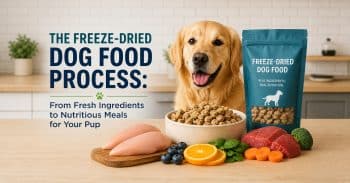
# How Is Freeze Dried Dog Food Made?
Freeze dried dog food has become a popular option for pet owners seeking shelf-stable alternatives to raw and fresh diets. Understanding the manufacturing process reveals why this method preserves nutrition while extending shelf life far beyond conventional kibble.
The freeze drying process begins with raw or cooked ingredients. Manufacturers select muscle meat, organ meat, bone, and sometimes vegetables and fruits. These components are frozen solid at temperatures typically between minus 50 and minus 80 degrees Fahrenheit. The extreme cold halts bacterial growth and prepares the ingredients for the next critical stage.
Once frozen, the food enters a vacuum chamber where heat is applied gradually and carefully. This combination of low pressure and gentle warmth removes water from the ingredients without cooking them. The process, called sublimation, converts frozen water directly into vapor, bypassing the liquid phase entirely. This preserves heat-sensitive nutrients, enzymes, and amino acids that traditional cooking destroys.
The timeline matters. Freeze drying typically takes 20 to 40 hours per batch, depending on ingredient density and moisture content. Organ meats dry faster than muscle tissue because they contain different water distribution patterns. Manufacturers monitor this process closely to prevent spoilage.
What remains is lightweight, shelf-stable dog food with approximately 90 percent of the original moisture removed. The result resembles small, hard pieces or crumbles. Because water is gone, freeze dried products weigh far less than raw or cooked alternatives. A pound of freeze dried dog food often contains the equivalent nutrition of 4 to 5 pounds of fresh meat.
Storage and rehydration offer practical advantages. Freeze dried dog food requires no refrigeration and maintains nutritional integrity for years when stored in cool, dry conditions. Most owners simply add water before serving, which reconstitutes the food to a consistency similar to fresh or raw diets. Some dogs eat the pieces dry as treats.
Quality control during manufacturing is essential. Temperature fluctuations, improper humidity levels, or equipment failures can compromise the final product. Reputable manufacturers maintain strict protocols and conduct pathogen testing on finished products. Food safety certifications and regular third-party testing provide accountability.
The cost reflects the technology investment. Freeze drying equipment is expensive, and the energy required to maintain vacuum chambers and sub-zero temperatures adds to production expenses. This results in retail prices significantly higher than kibble but comparable to premium raw or fresh dog food options.
Freeze dried dog food appeals to owners managing dogs with digestive sensitivities, allergies, or pickiness. The minimal processing and preserved nutrients make it attractive for health-conscious pet owners. Some veterinarians recommend it for dogs recovering from illness or with compromised immune systems, though individual dietary needs vary.
The nutritional profile depends entirely on ingredient selection. A freeze dried product containing USDA beef, beef liver, and beef kidney offers different benefits than one made primarily from chicken with added sweet potato. Read ingredient lists carefully, as freeze dried does not automatically mean species-appropriate or optimal nutrition.
Storage after purchase matters too. Transfer freeze dried food to airtight containers once opened to prevent moisture reabsorption, which can promote mold and bacterial growth. Most manufacturers recommend using products within 6 to 12 months of opening.