# How to Stop Your Dog From Begging at the Table
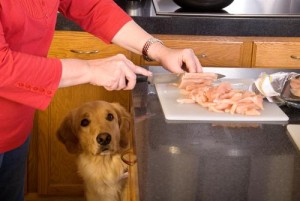
That familiar scene plays out in homes every day. Your family sits down to dinner. Your dog appears at your feet with wide eyes, a tilted head, and an expression of pure need. The pawing starts. The whining follows. Then comes the drool.
Begging is one of the most common behavioral challenges dog owners face. It stems from a simple truth: dogs learn what works. When your dog begs and receives food, that behavior gets rewarded and repeats. Breaking the cycle requires consistency, patience, and the right strategies.
## Why Dogs Beg
Dogs beg because it succeeds. A single piece of food given to a begging dog teaches them that persistence pays off. Your dog doesn't understand that you're being kind. They understand cause and effect. Sit by the table, look sad, get rewarded. That's the lesson they learn.
Begging also reflects your dog's natural desire to be part of pack activities. Mealtime is a central family event, and your dog wants inclusion. Their begging expresses both hunger and a need for social connection.
## Practical Solutions
The most effective approach removes your dog's access to food rewards during meals. Train your dog to occupy a specific spot away from the dining area. A dog bed in another room, a crate, or a designated corner works well. Teach this location command during calm periods, then enforce it during meals.
Timing matters. Feed your dog before your family eats, not after. A satisfied dog with a full belly is far less likely to beg. Many owners find that feeding their dog at the exact moment the family sits down prevents the entire problem.
Never feed your dog from the table, even small pieces. One scrap reinforces the entire begging behavior. Everyone in your household must follow this rule consistently. A single family member breaking it undoes all training progress.
Provide appropriate chewing alternatives. Offer a stuffed Kong toy, a long-lasting chew, or a puzzle feeder during your meal. Your dog stays occupied while you eat. This redirects their attention to an acceptable activity rather than begging.
Reward the absence of begging. When your dog remains calm in their designated spot during meals, offer praise and treats after you finish eating. This builds a new association: staying calm during dinner time brings rewards.
Teach a "place" or "settle" command through positive reinforcement during training sessions outside mealtime. Practice it repeatedly until your dog reliably goes to their spot on command, then apply it during actual meals.
Manage your dog's environment. Close the kitchen door during meal preparation. Some dogs beg during cooking, not just eating. Limiting their access to food-preparation areas reduces opportunities for the behavior to develop.
Keep your plates cleared before your dog reaches the table. Leaving food accessible teaches your dog that continued vigilance pays off. Clean plates quickly and load the dishwasher promptly.
Avoid eye contact and talking during begging episodes. Attention, even negative attention, rewards the behavior. Ignore your dog completely until begging stops, then offer calm acknowledgment.
Exercise your dog before meals. A tired dog is calmer and less interested in table scraps. A 30-minute walk before dinner significantly reduces begging intensity.
Breaking the begging habit takes two to four weeks of perfect consistency. Your dog has learned that begging works. You need to prove that it doesn't. Every family member must enforce the same rules. Once your dog learns that remaining calm during your meals brings better rewards than begging, the behavior fades completely.