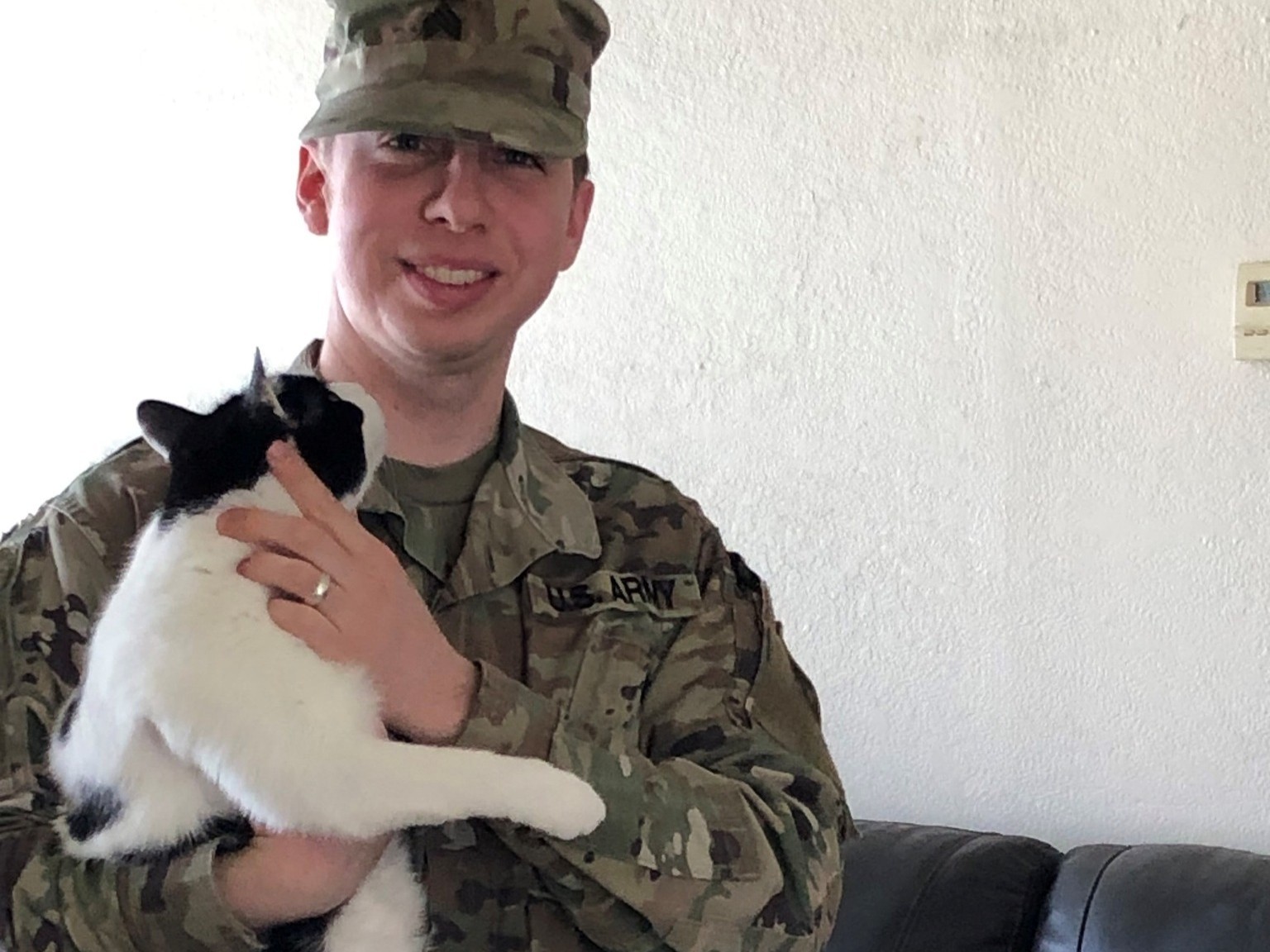
# Foster Families Bridge the Gap for Military Dogs Left Behind
A service member stood outside a Philadelphia animal shelter with tears streaming down his face, holding the leash of his beloved dog. Deployment orders gave him no time to arrange permanent care. The shelter became his last resort. This heartbreaking scene sparked a movement to keep military families and their pets together during service.
The problem runs deeper than one emotional goodbye. Active-duty service members, reservists, and National Guard personnel face impossible choices when sudden deployment orders arrive. Finding trusted, temporary care for a dog takes time most don't have. Many owners lack family nearby or friends willing to commit to months of care. Boarding facilities charge fees military families often cannot afford. Some pets end up surrendered to shelters or rescue organizations, traumatizing both animals and their owners during an already stressful transition.
Foster-based programs now intervene before surrender becomes necessary. These initiatives connect military pet owners with volunteer foster families who provide temporary homes at no cost. The approach serves multiple populations simultaneously. Military members deploy without the guilt and heartbreak of abandoning their companions. Dogs stay in loving homes instead of entering the shelter system. Foster families gain purpose by supporting both animals and service members.
Programs like this operate across the country, though each has its own structure. Some connect directly with military bases and work through Department of Defense channels. Others function as independent nonprofits that publicize their services to military communities. The best programs conduct background checks on foster families, provide veterinary care during the foster period, and maintain contact between military owners and their fostered pets through photos and updates.
The healing aspect extends beyond logistics. Deployed service members report reduced anxiety when they know their dogs receive excellent care from vetted, compassionate foster families. Some military personnel experience post-traumatic stress, anxiety, and depression upon return from deployment. Reuniting with their dogs provides grounding and emotional support during readjustment. Dogs also benefit from stability. Remaining in a home environment prevents the behavioral problems and stress-related illnesses that shelter stays can trigger.
Foster families themselves report transformation. Many volunteers describe the experience as fulfilling and meaningful. They understand they play a direct role in supporting military readiness by removing a major worry from service members' minds. Some foster families develop such bonds with their temporary dogs that they advocate for other military pet owners or volunteer repeatedly.
Expanding these programs requires community awareness and resources. Potential foster families need information about how to sign up. Military families need to know these services exist before making surrender decisions. Veterinary partners can help by reducing costs for fostered military dogs. Communities near military installations can prioritize recruitment of foster volunteers.
The Philadelphia service member's story illustrates why this work matters. No one serving the country should face the choice between military duty and pet ownership. Foster-based solutions turn a painful situation into an opportunity for community support and animal welfare. When foster families step up, deployed service members find peace of mind, dogs stay out of shelters, and communities strengthen their connection to military service.