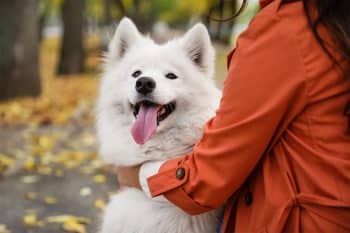
# Fluffy Dog Breeds Thrive When Summer Heat Fades Into Autumn Chill
As temperatures drop and sweater season arrives, certain dog breeds finally get relief from the discomfort of hot weather. Dogs with thick, double coats shed their summer coat and grow dense winter fur, making fall and winter their most comfortable seasons. Pet owners with fluffy breeds benefit from understanding which dogs thrive in cooler weather and how to support their comfort year-round.
Fluffy dog breeds built for cold climates include the Siberian Husky, Alaskan Malamute, German Shepherd, Golden Retriever, Labrador Retriever, Bernese Mountain Dog, Saint Bernard, Great Pyrenees, Newfoundland, Chow Chow, Old English Sheepdog, Pomeranian, and Keeshond. These breeds evolved in frigid environments where thick undercoats insulate against extreme cold. Their double coats trap warm air close to the skin, allowing them to maintain body temperature efficiently in freezing conditions.
Summer poses genuine challenges for these breeds. Dogs cannot sweat through their skin like humans do. They cool themselves primarily through panting and releasing heat through their paws and nose. Fluffy breeds struggle to shed excess heat through their dense coats, putting them at risk for heat exhaustion and heat stroke during warm months. Pet owners of Siberian Huskies, Alaskan Malamutes, and Saint Bernards must provide air conditioning, limit outdoor time during peak heat, and ensure constant access to fresh water during summer months.
Fall and winter dramatically improve life for these dogs. Cooler temperatures allow them to be active outdoors without overheating. Their natural coat provides adequate protection against cold weather without requiring additional layers. Bernese Mountain Dogs and Great Pyrenees display noticeably increased energy and enthusiasm as temperatures drop. Their coats become fuller and fluffier as they transition into winter coat growth.
Grooming needs shift seasonally for fluffy breeds. During spring and summer, regular brushing removes loose undercoat and prevents matting. In fall, brushing helps distribute natural oils through the growing winter coat. Winter grooming maintains coat health and prevents ice and snow from forming mats in fur. Pet owners should invest in de-shedding tools and slicker brushes specifically designed for double-coated breeds.
Cold weather introduces different considerations. Salt used on sidewalks irritates paw pads and can be toxic if ingested. Pet owners should wipe paws after winter walks and consider protective booties for extended outdoor time. Despite their natural cold tolerance, Chow Chows, Pomeranians, and smaller fluffy breeds benefit from protective gear during extreme cold snaps or prolonged outdoor exposure.
Pet owners planning to adopt fluffy breeds should honestly assess their climate. Keeshonds and Alaskan Malamutes in hot climates require year-round air conditioning and limited outdoor activity during warm months. The financial and time commitment to keeping these breeds cool during summer months often surprises new owners. Conversely, owners in northern climates with these breeds enjoy seeing their dogs' personalities flourish as temperatures drop.
Understanding breed-specific temperature preferences helps owners make informed decisions about their pets' comfort and health. Fluffy breeds announce their preference for cooler weather through behavior changes, increased playfulness, and eagerness for outdoor time. Respecting these natural inclinations and adjusting care routines seasonally keeps fluffy companions healthy, comfortable, and happy throughout the year.