# How to Read Your Dog's Happiness: 10 Body Language Signs
Dogs cannot speak words, but they communicate constantly through body language, movement, and behavior. Pet owners who learn to read these signals gain deep insight into their dog's emotional state and overall well-being.
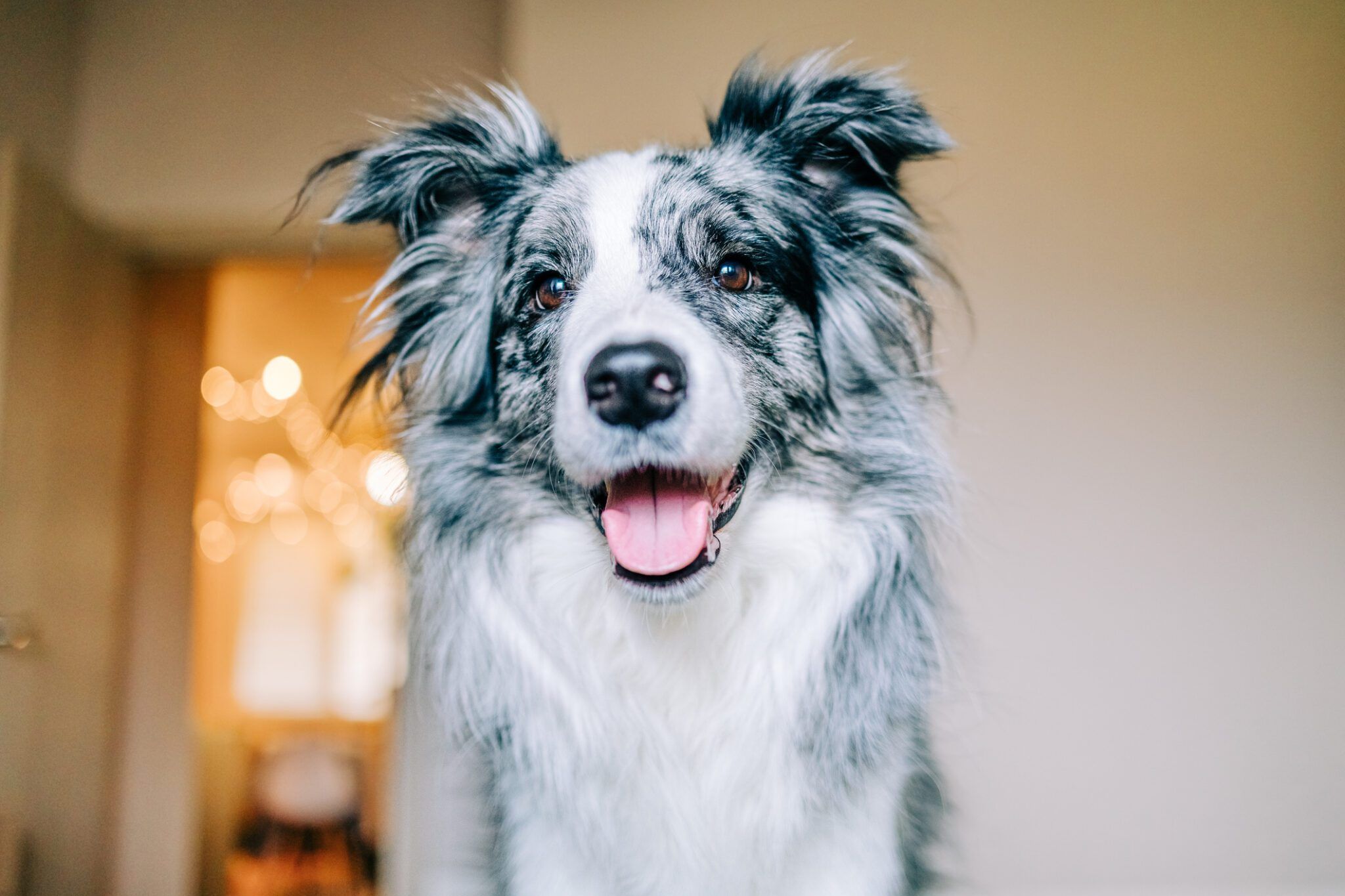
Dogs express contentment in clear, observable ways. A happy dog typically displays a relaxed body posture with loose muscles rather than tension. The tail wags in an easy, natural rhythm, usually at a moderate height. Their mouth often appears slightly open in what resembles a smile, with the corners pulled back gently. The ears sit in their natural position, neither pinned back in fear nor rigidly forward in alert mode.
Eye contact matters significantly. A happy dog makes soft eye contact with their owner, sometimes with a slight squint. This differs from the hard stare of an anxious or aggressive dog. The eyes appear bright and engaged rather than dull or wide with stress.
Playful behavior signals contentment. A dog who initiates play with toys, invites games of fetch, or engages in the play bow, indicates satisfaction with their life. The play bow involves the front legs extended forward and lowered while the rear end remains high, often accompanied by happy vocalizations like play barks and whines.
Physical affection seeking reveals emotional health. A happy dog actively seeks interaction with their owner through leaning, gentle nudging, or sitting close by. Some happy dogs exhibit the zoomies, those sudden bursts of running and spinning that signal pure joy and contentment.
Appetite and sleep patterns provide additional clues. Dogs who eat regularly with enthusiasm and rest peacefully demonstrate good emotional health. Restlessness, loss of appetite, or excessive sleeping can indicate stress or unhappiness.
Vocalizations matter too. Happy dogs vocalize in cheerful ways, including excited barks when their owner returns home, playful growls during games, and gentle whining when anticipating positive events like walks or meals.
Engagement with their environment shows a content dog. A happy dog explores their surroundings with confidence, shows interest in other dogs and people, and participates willingly in family activities. They demonstrate trust by allowing handling and grooming without resistance.
Relaxation behaviors confirm happiness. Yawning, stretching, and settling comfortably on their dog bed or near their owner indicate emotional security. A dog who feels safe enough to truly relax clearly feels happy.
Pet owners benefit from developing this observational skill. Understanding what your dog communicates through body language strengthens the human-animal bond and helps identify problems early. Changes in behavior patterns can signal health issues, anxiety, or environmental stressors that need attention.
Recognizing these signs creates a feedback loop. When owners respond to their dog's communication with appropriate exercise, play, training, and affection, dogs consistently display these happiness indicators. This creates a positive cycle where both dog and owner understand each other better.
The key lies in consistent observation. Spend time watching your dog in various situations. Notice their baseline behaviors at rest and during activity. Compare these to their behavior during positive events and stressful moments. Over time, you become fluent in your individual dog's emotional language. Every dog expresses happiness slightly differently based on personality, breed, and life experience. Your specific dog's happiness signature becomes unmistakable once you learn to read it.