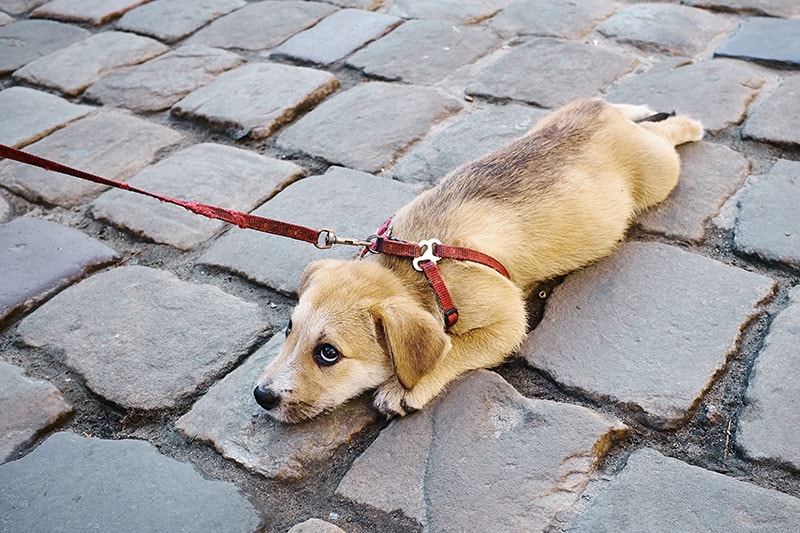
Dogs experience genuine emotional responses to their owners' return home, but some pets display confusion or anxiety when routines shift dramatically after vacation ends. This "post-vacation adjustment" reflects how sensitive dogs are to schedule changes and environmental disruptions.
When owners return to work after time off, dogs lose the constant companionship they've grown accustomed to. This sudden shift triggers stress responses. Dogs may display destructive behavior, excessive barking, accidents in the house, or reluctance to eat. Some become clingy or anxious when their owners prepare to leave again. These reactions stem from separation anxiety rather than the dog "acting out" intentionally.
The adjustment period typically lasts days to weeks, depending on the dog's temperament and how long the vacation lasted. Longer time away means a more pronounced behavioral shift when routine resumes.
Pet owners can ease this transition by gradually returning to normal schedules before the vacation ends. Spend time apart during the final vacation days so your dog readjusts incrementally. When you return to work, consider hiring a dog walker or pet sitter for midday visits. This maintains social interaction and provides bathroom breaks, reducing anxiety.
Establish consistent daily routines immediately. Dogs thrive on predictability. Feed them at the same times, schedule walks at consistent hours, and set designated play periods. These patterns help dogs feel secure even when alone.
If strange behavior persists beyond two weeks, consult your veterinarian. Prolonged separation anxiety or behavioral changes warrant professional evaluation. Your vet can rule out medical issues and recommend training strategies or, in severe cases, anti-anxiety medication.
Understanding that your dog isn't being difficult but rather struggling with routine changes helps owners respond with patience and support. With consistent structure and gradual transitions, most dogs settle back into normal behavior within days.