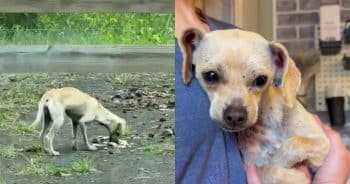
A determined rescuer finally caught a frightened small dog after three days of evading capture. The tiny canine, spooked and disoriented, refused to approach rescue teams despite multiple attempts to secure the animal.
The unnamed woman who led the rescue effort showed exceptional patience and persistence. Rather than give up when standard rescue techniques failed, she adapted her strategy to match the dog's behavior. Small dogs in panic mode often respond better to gentle, individualized approaches than to teams of strangers.
The dog's three-day ordeal tested both the animal's survival instincts and the rescuer's commitment. During this period, the frightened canine stayed hidden in difficult terrain, refusing food and treats that rescuers offered. Fear overrode the dog's hunger and normal social instincts with humans.
The breakthrough came when the rescuer recognized that this particular dog needed time and a calm presence rather than aggressive pursuit. She adjusted her tactics, reducing pressure and allowing the dog to become comfortable in her presence. This approach works because stressed dogs have difficulty processing multiple threats at once. A single, non-threatening human often proves more effective than coordinated team efforts.
Once captured, the small dog required immediate veterinary attention. Three days without food and water, combined with extreme stress, takes a physical toll on any animal. The dog needed assessment for dehydration, exhaustion, and any injuries sustained during the time at large.
This rescue highlights an important lesson for pet owners. Keep current identification on your dogs. Microchips and ID tags make reuniting lost pets with families faster, reducing the stress period for the animal. Dogs that go missing often panic, making recovery harder with each passing hour.
The rescuer's refusal to abandon this small dog demonstrates the difference one person's dedication makes. Her patience saved a life and likely prevented the dog from suffering more serious consequences from exposure and starvation.