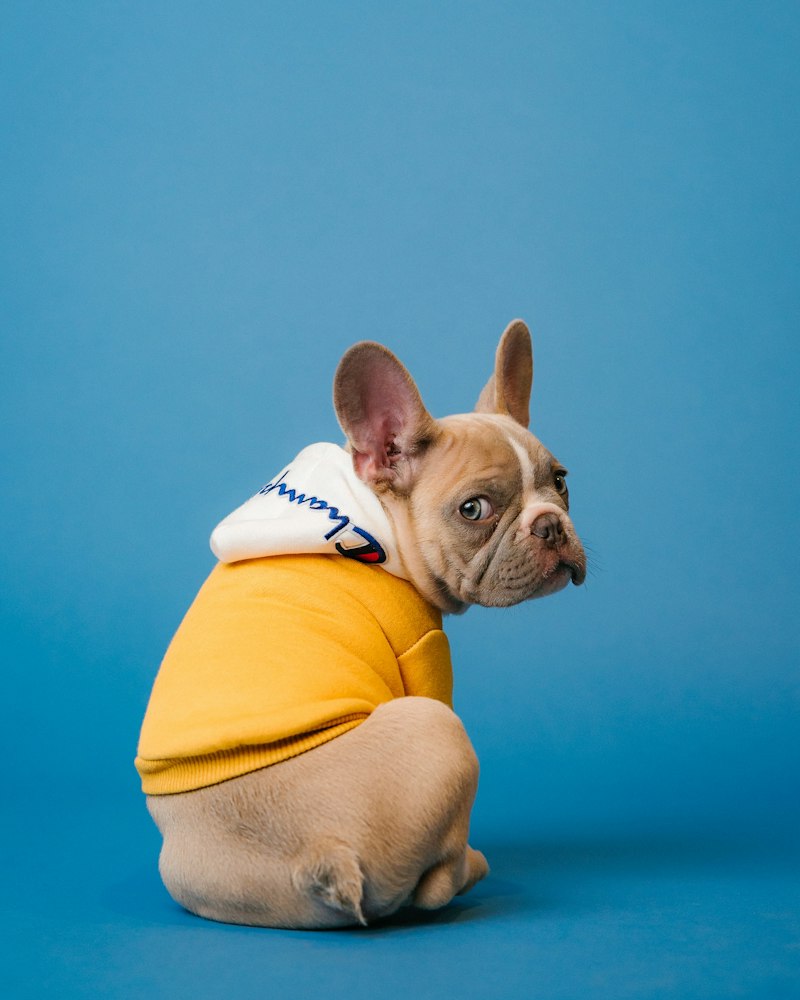
We're living in an era where veterinary medicine is increasingly blurring the line between treating disease and treating aesthetics. The latest wave of cosmetic procedures being marketed to pet owners sounds futuristic and helpful. But before we normalize injectable treatments for dogs who snore, we should ask some harder questions about where this industry is actually headed.
Let me be clear: I'm not a Luddite about veterinary innovation. Breakthrough treatments that genuinely save lives deserve celebration. When veterinary science develops new ways to prevent severe allergic reactions in dogs, that's real progress worth discussing. Mental health for pets matters too. These are legitimate advancements that improve animal welfare.
The problem isn't innovation itself. It's the pace at which elective cosmetic procedures are being rebranded as medical necessities.
The pet industry has a well-established playbook. It identifies a minor inconvenience, wraps it in medical language, and sells it to anxious pet owners as something they should want, even if their pet never asked for it. Snoring in dogs is uncomfortable for whom, exactly? The dog? Or the owner who finds the sound annoying?
This matters because there's real money involved, and real stakes for real animals.
Veterinarians have excellent training in treating disease and injury. Many are genuinely committed to animal welfare above profit margins. But they operate within a business model that rewards treatment expansion. A vet clinic offering cosmetic procedures generates additional revenue streams. That's not inherently corrupt, but it does create structural incentives that deserve scrutiny.
Here's what concerns me: We're outsourcing decisions about our pets' bodies to an industry that profits from those decisions. The marketing language makes procedures sound optional while simultaneously making them feel essential. "Your dog deserves to feel confident," the marketing might suggest. Your dog doesn't experience social anxiety about snoring. Your dog isn't reading reviews about its appearance on social media.
We're projecting our own anxieties onto animals and then paying to fix those projected anxieties in the animals themselves.
The slope from "we can do this procedure" to "we should do this procedure" to "we need to do this procedure" is slippery. It's not hypothetical. We've watched it happen in human cosmetic medicine for decades. Once procedures become normalized, they start feeling like baseline expectations.
I'm also skeptical about the research supporting some of these treatments. Yes, mental stimulation matters for dogs. That's old news, not innovation. But the way new procedures and products get presented makes incremental understanding sound revolutionary. It's a marketing technique, and it works.
The real question isn't whether we can innovate in veterinary cosmetics. We can. The question is whether we should prioritize cosmetic procedures when many pet owners still can't afford basic preventive care, when shelter animals die due to resource scarcity, and when genuine medical needs remain underserved.
Every dollar spent on elective cosmetic procedures is a dollar that could fund research into diseases that actually kill pets. Every vet hour spent on cosmetic work is an hour not spent on something else. Those aren't neutral trade-offs.
None of this means individual pet owners are wrong to pursue these treatments. Veterinary autonomy and consumer choice matter. But as an industry and as a culture, we should be more skeptical about the narrative that cosmetic veterinary medicine is inevitable progress.
We should ask why these procedures are expanding. We should question the marketing that makes them feel urgent. And we should be honest that profit motives, not just animal welfare, are driving this trend forward.
Innovation is good. But innovation without skepticism is just marketing wearing a lab coat.