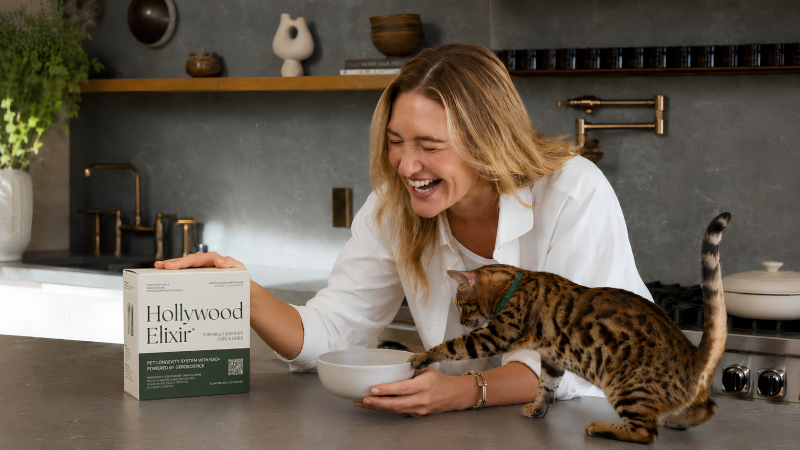
Cats age invisibly, hiding the physical decline that happens inside their bodies until serious health problems emerge. A new field called veterinary geroscience offers hope for catching age-related changes before they become life-threatening illnesses.
Unlike humans who show visible wrinkles and gray hair, cats mask the signs of aging through behavioral adaptation and stoicism. An older cat might move slower or sleep more, but owners often dismiss these changes as normal aging rather than warning signs of kidney disease, arthritis, or thyroid problems. By the time symptoms become obvious, disease has progressed significantly.
Veterinary geroscience applies the science of aging to pets. Rather than treating disease after it appears, this approach focuses on understanding the cellular and molecular changes that occur as cats get older. Researchers study how aging affects organ function, immune response, and metabolism in cats specifically, not just by extrapolating from human or dog studies.
This discipline helps veterinarians identify biomarkers that signal aging processes. Blood work, genetic testing, and advanced imaging can reveal problems in kidneys, liver, heart, and other organs long before a cat shows symptoms. Early detection allows vets to start treatments like specialized diets, medications, or lifestyle changes that slow disease progression and extend quality of life.
The practical benefit for cat owners is straightforward. Cats over seven years old benefit from more frequent veterinary check-ups, including comprehensive bloodwork and physical exams focused on age-related conditions. Vets trained in geroscience recognize that a cat needing frequent bathroom trips or losing weight might have early kidney disease, not just getting old.
Preventive care based on geroscience principles addresses the reality that cats live longer today than ever before. Many reach their late teens or early twenties. Supporting these extended lifespans requires monitoring for the invisible aging happening inside their bodies. By catching problems early through geroscience-informed veterinary