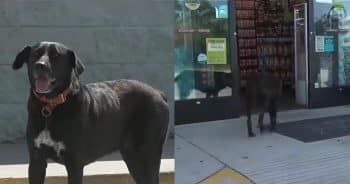
A dog in the neighborhood has figured out how to slip into a local store during quiet hours to snatch his favorite treats. The clever canine waits for the right moment when foot traffic drops, then sneaks inside to help himself to snacks he knows exactly where to find.
This story highlights what researchers increasingly understand about dog behavior: these animals possess impressive problem-solving abilities and memory skills. Dogs learn routines and patterns. They observe when doors open, when people come and go, and where rewards live. This particular pup identified a window of opportunity and acts on it repeatedly.
The behavior reveals both intelligence and persistence. The dog didn't try once and give up. He developed a strategy, timing his visits to coincide with slower business periods. Store staff and the community noticed the pattern, finding a dog who clearly knows what he wants and how to get it.
For pet owners, this serves as a reminder that dogs need mental stimulation and clear boundaries. Bored dogs often devise creative solutions to entertain themselves or find food sources. When a dog has energy and brainpower without proper outlets, he invents his own activities. Some are harmless pranks like this snack heist. Others become destructive behaviors that damage homes or create safety problems.
The ideal situation keeps dogs engaged through training, play, puzzle toys, and interactive feeding methods. Dogs thrive when their intelligence gets a job to do. They need rules and structure.
This store-raiding pup demonstrates exceptional observational skills. His owners and neighbors might redirect that cleverness into formal training, scent work, or puzzle-solving games. A dog smart enough to plan a snack raid has the capacity to learn commands, tricks, and useful tasks that satisfy his need for challenge.
The story also underscores how vulnerable stores become when unsupervised dogs roam. While this particular incident seems lighthearted, it raises questions about