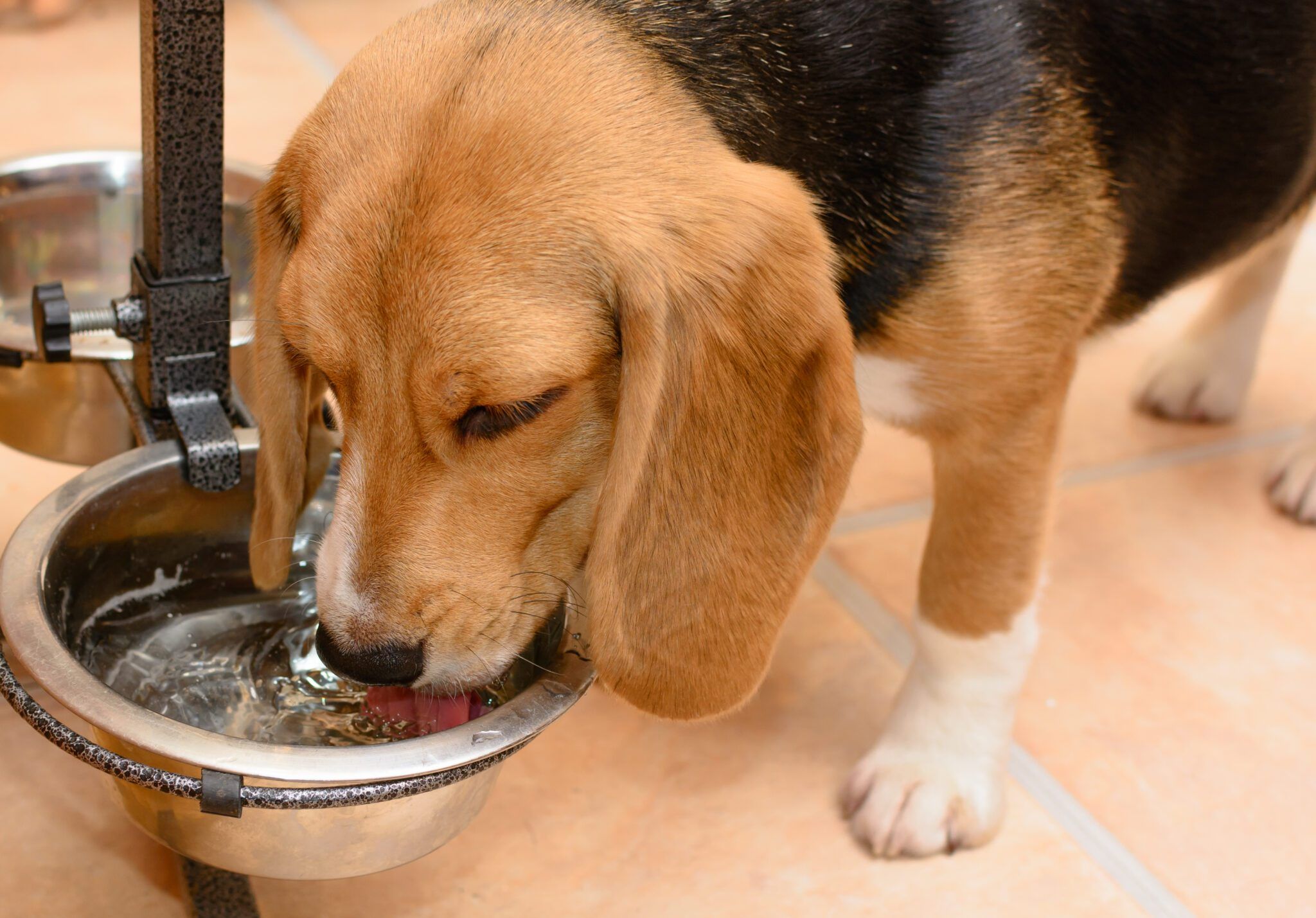
Excessive thirst and frequent urination in your dog warrant veterinary attention. These symptoms often point to diabetes insipidus, a condition distinct from the more common diabetes mellitus.
Diabetes insipidus occurs when a dog's body cannot properly regulate water balance. The condition stems from insufficient production of antidiuretic hormone (ADH), also called vasopressin, which normally signals the kidneys to conserve water. Without adequate ADH, dogs lose excessive water through their urine and become dangerously dehydrated. They compensate by drinking enormous amounts of water.
Pet owners typically notice their dogs emptying water bowls far more frequently than normal. Increased urination follows the increased drinking. A dog with diabetes insipidus may have accidents indoors despite being housetrained. These symptoms develop gradually in some dogs and suddenly in others.
Diabetes insipidus differs significantly from diabetes mellitus (the type involving high blood sugar). While diabetes mellitus involves the pancreas and blood glucose regulation, diabetes insipidus involves the pituitary gland or the kidneys' response to ADH. The conditions produce overlapping symptoms but require completely different treatments.
Veterinarians diagnose diabetes insipidus through blood tests, urinalysis, and sometimes a water deprivation test. Your vet measures ADH levels and evaluates your dog's urine concentration. This testing distinguishes diabetes insipidus from other conditions causing similar symptoms, including urinary tract infections, Cushing's disease, and diabetes mellitus.
Treatment depends on the underlying cause. Central diabetes insipidus, caused by insufficient ADH production, responds to desmopressin, a synthetic hormone replacement available as injections, nasal sprays, or tablets. Nephrogenic diabetes insipidus, where the kidneys fail to respond to ADH, typically requires a low