Transitioning outdoor cats to indoor living proves simpler than many cat owners assume. Research and practical experience show that cats adapt to indoor environments faster than expected when owners implement the right strategies.
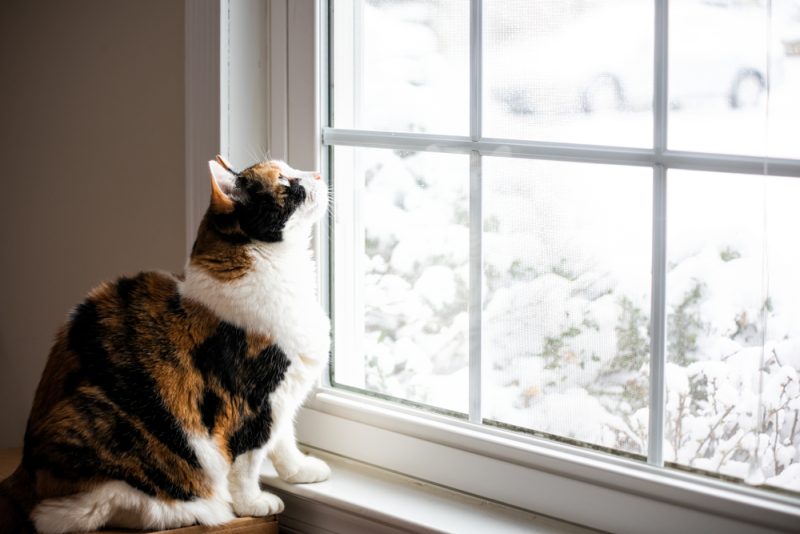
The key to successful transition lies in environmental enrichment. Cats need vertical spaces, window perches, and interactive toys to stay mentally stimulated indoors. Multi-level cat trees, window boxes, and rotating toy selections keep indoor cats engaged. Access to windows allows cats to observe outdoor activity, which provides natural entertainment without the risks of outdoor roaming.
Establishing a consistent routine helps cats feel secure during the move. Feeding schedules, play sessions, and designated rest areas create predictability that reduces stress. Litter box placement matters too. Cats need multiple boxes in different locations, ideally one per cat plus an extra, placed away from food and water bowls.
Indoor cats live longer, healthier lives. They avoid traffic accidents, predators, diseases, and parasites that outdoor and outdoor-indoor cats face regularly. Indoor cats show lower rates of feline leukemia, feline immunodeficiency virus, and injuries.
The transition period typically lasts two to four weeks. During this time, keep the cat in one room with all necessities. Gradually expand access to other areas as the cat becomes comfortable. Never force outdoor time during this adjustment.
Interactive play sessions replace outdoor hunting stimulation. Daily wand toys, laser pointers, and puzzle feeders engage cats' natural prey drive. Some owners use cat harnesses and leashes for supervised outdoor exploration, offering a compromise between indoor safety and outdoor stimulation.
Behavioral issues like aggression or excessive vocalization often decrease once cats adapt to indoor life. The reduced stress from avoiding dangers outweighs any adjustment period challenges.
Cat owners concerned about moving their cats indoors should consult their veterinarian for guidance tailored to their specific animal.