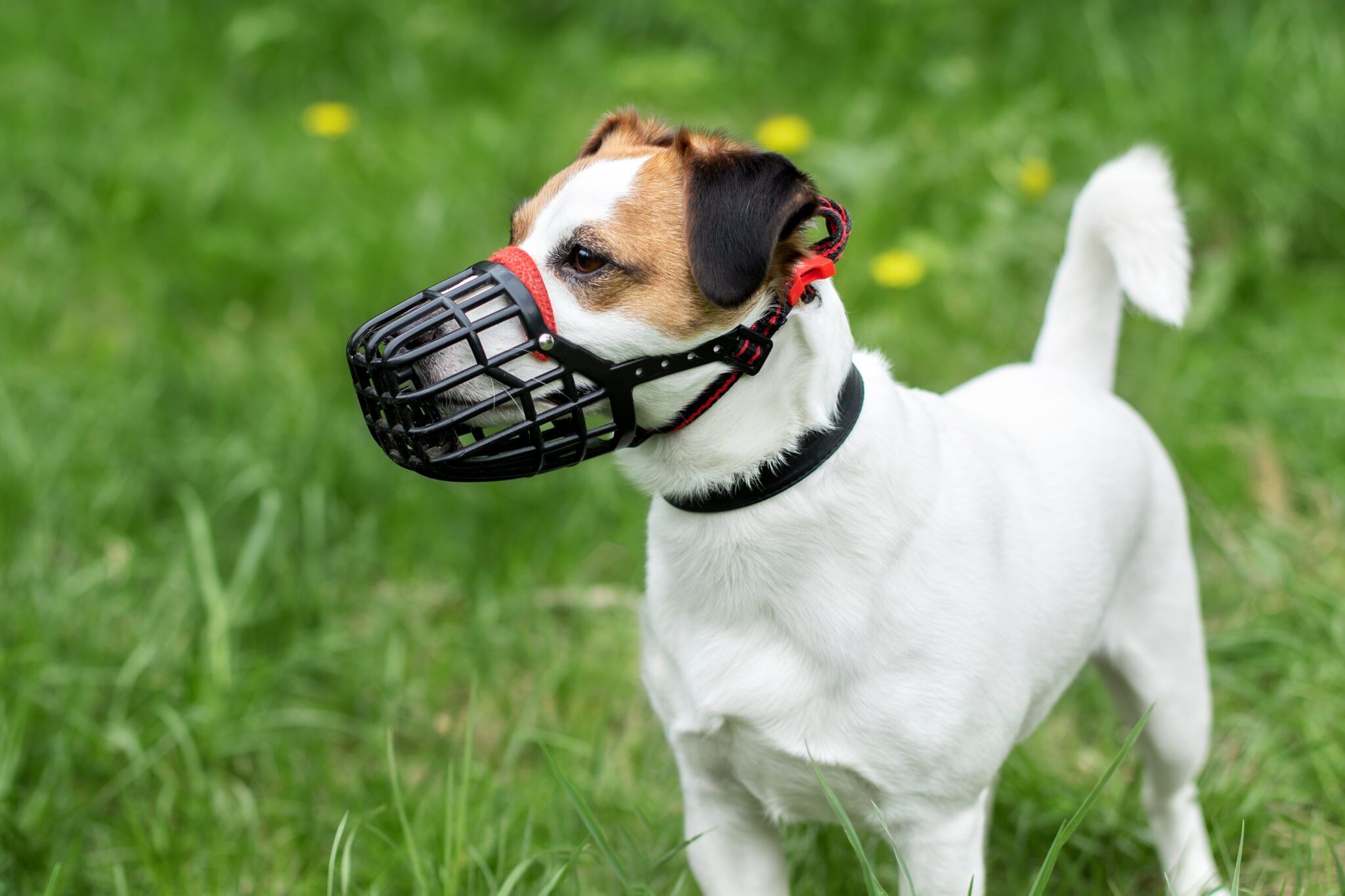
Teaching a dog to accept a muzzle is a life skill that goes beyond emergency preparedness. Even gentle, well-behaved dogs may bite when frightened, injured, or stressed. Muzzle training creates a safety net for veterinary visits, grooming appointments, and unexpected situations where a dog's stress level spikes.
The process starts with positive associations. Dogs learn that the muzzle predicts good things. Trainers recommend starting with short sessions, letting the dog investigate the muzzle at their own pace, and rewarding calm behavior with treats and praise. Patience matters here. A dog forced into a muzzle develops fear and resistance.
Two main muzzle types serve different purposes. Basket muzzles allow dogs to pant, drink water, and take treats while wearing them. These work best for extended wear, such as during vet exams or grooming sessions. Soft muzzles, made from nylon or leather, fit snugly around the dog's snout and work for short periods like vet visits or nail trims. Neither type should cause pain or restrict breathing.
Basket muzzles suit most situations because dogs can breathe freely and thermoregulate. They come in various materials, from wire to plastic. The fit matters tremendously. A muzzle that sits too high irritates the eyes. One too loose allows the dog to slip it off. Measure your dog's snout circumference and length before purchasing.
Professional trainers often recommend Baskerville Ultra Muzzles or similar wire designs for their durability and comfort. These allow dogs to pant and drink without removal. For smaller breeds or shorter training sessions, soft muzzles in quality nylon provide gentler options.
Most dogs accept muzzle training within two to four weeks of consistent, reward-based work. Start at home in calm environments. Progress gradually