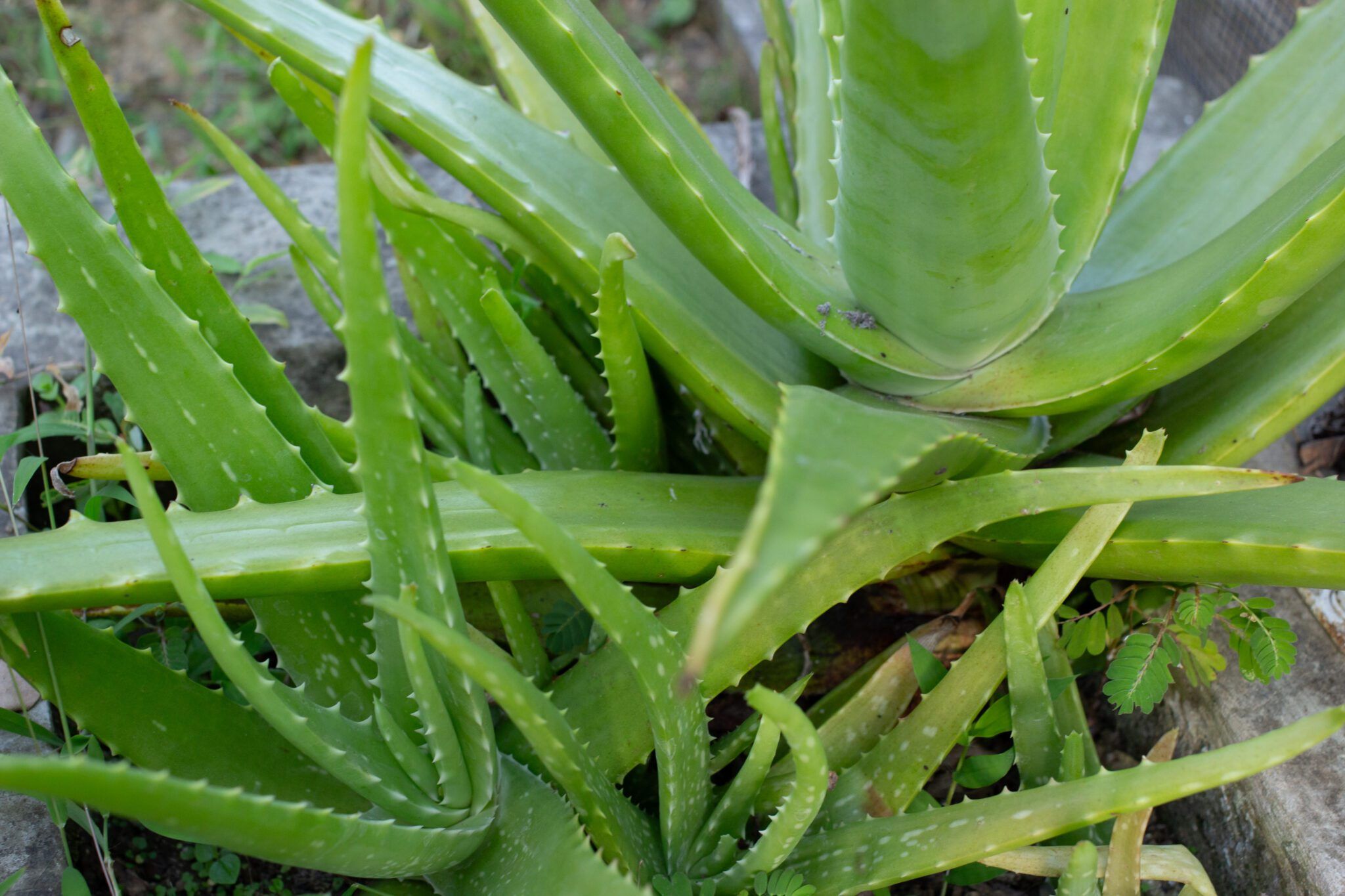
Aloe vera remains one of the world's most popular herbal remedies, with global sales exceeding $1 billion annually. Many pet owners keep aloe vera plants at home for treating their own sunburns and minor skin irritations. However, dog owners need to exercise caution with this common succulent.
The thick, fleshy leaves of aloe vera plants contain compounds that can pose risks to dogs if ingested. While topical application of pure aloe gel may offer some soothing benefits for minor skin issues on dogs, the latex (the yellow substance found just beneath the plant's outer layer) contains anthraquinone glycosides. These compounds act as potent laxatives and can cause serious gastrointestinal upset in dogs, including vomiting, diarrhea, and abdominal pain.
Dogs who chew on or consume aloe vera plants face particular risk. Even small amounts of the plant's latex can trigger digestive distress. Veterinarians recommend keeping potted aloe vera plants out of reach of curious dogs who might nibble on leaves or dig in the soil.
If your dog has ingested aloe vera, contact your veterinarian immediately. Signs of aloe toxicity include letharness, loss of appetite, and severe diarrhea. Your vet can assess your dog's condition and provide appropriate treatment if needed.
For dogs with minor skin irritations, veterinarians typically recommend safer alternatives. Coconut oil, veterinary-approved hydrocortisone creams, or prescription medications deliver better results with fewer risks. Always consult your vet before applying any substance to your dog's skin, even plant-based remedies that seem natural and harmless.
The popularity of aloe vera in human wellness doesn't translate automatically to pet safety. Pet owners should view their home aloe vera plants as decorative items rather