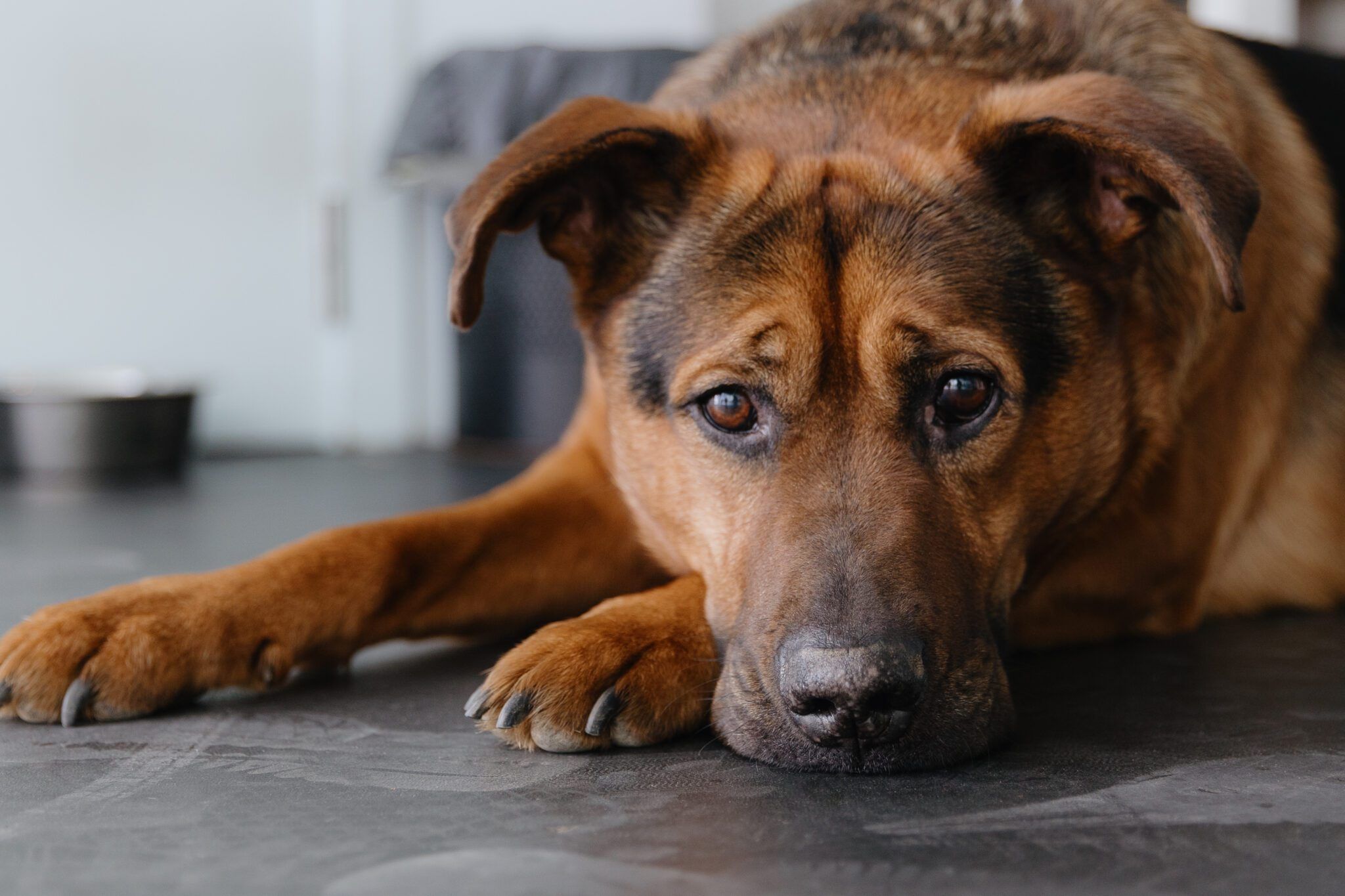
Colitis strikes dogs frequently. The condition inflames the colon, or large intestine, and triggers diarrhea. Emergency veterinarians encounter colitis cases regularly. An emergency vet reports seeing about six cases every twelve-hour shift, demonstrating how common this condition is.
Most dogs experience colitis at least once during their lifetime. Pet owners should recognize that this inflammatory illness affects dogs across all ages and breeds. The hallmark symptom is diarrhea, though colitis cases vary in severity and underlying cause.
Multiple triggers can cause canine colitis. Dietary changes, food sensitivities, parasites, bacterial infections, and stress all contribute to colon inflammation. Some cases resolve quickly with dietary adjustment and rest, while others require veterinary intervention to identify and treat the root cause.
Pet owners noticing persistent diarrhea in their dogs should contact a veterinarian. Diagnosis typically involves patient history, physical examination, and sometimes fecal testing or imaging. Treatment depends on the underlying cause. Mild cases may improve with a temporary bland diet of boiled chicken and rice. More severe cases might require prescription medications, probiotics, or additional diagnostics.
Prevention starts with feeding high-quality, consistent diets. Sudden food changes trigger many colitis cases, so gradual transitions over seven to ten days help prevent digestive upset. Regular deworming and parasite prevention reduce infection-related colitis. Managing stress through exercise and routine also supports colon health.
Dogs with colitis need attentive care at home. Monitor their stools and watch for blood or mucus, which indicate moderate to severe inflammation. Ensure constant access to fresh water, since diarrhea causes dehydration. If diarrhea persists beyond a few days, becomes bloody, or the dog shows lethargy or appetite loss, seek veterinary care immediately.
Understanding colitis helps