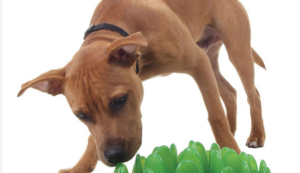
Dogs need mental stimulation as much as physical exercise, and brain games offer an excellent way to keep your canine companion engaged, entertained, and mentally sharp. Mental enrichment activities reduce boredom, decrease destructive behavior, and strengthen the bond between you and your dog.
Here are ten proven mind games that work for dogs of all ages and skill levels.
**Hide and Seek**
Hide treats or toys around your home or yard and encourage your dog to find them. Start with obvious hiding spots so your dog understands the game, then gradually increase difficulty. This game taps into your dog's natural hunting instincts and keeps them engaged for extended periods.
**Puzzle Feeders**
Puzzle toys and interactive feeders force your dog to work for their meals. Options range from simple treat-dispensing balls to complex multi-level puzzles. These toys slow eating, prevent bloating, and provide mental engagement during mealtime.
**Sniff Work**
Hide treats in a muffin tin and cover each cup with a tennis ball. Your dog must lift the balls to access the treats. This game strengthens your dog's sense of smell and provides satisfying problem-solving challenges.
**Name That Toy**
Teach your dog the names of individual toys by consistently using the same word when playing with each one. Once learned, ask your dog to fetch specific toys by name. This builds vocabulary and requires focused attention.
**Scent Discrimination**
Place your scent or a friend's scent on objects and teach your dog to identify them. Police and detection dogs use this skill professionally, but any dog can learn with patient training.
**DIY Obstacle Course**
Create a simple obstacle course using household items like cushions, cones, or chairs. Guide your dog through it using treats or toys. This combines mental and physical stimulation.
**The Cup Game**
Place treats under one of three cups and shuffle them around. Your dog must identify which cup hides the treat. This classic game teaches focus and decision-making.
**Tug of War**
Contrary to old myths, controlled tug of war strengthens your relationship and teaches impulse control. Establish clear rules: your dog must release on command and cannot initiate play.
**Find It**
Hide a toy or treat in your closed hand and ask your dog to find it. Gradually progress to hiding items under blankets or in boxes. This game rewards persistence and problem-solving.
**Training Sessions**
Teaching new commands and tricks provides constant mental challenge. Even ten minutes of focused training stimulates your dog's brain more than casual play.
Mental enrichment prevents behavioral problems linked to boredom, including excessive barking, chewing, and aggression. Dogs with adequate mental stimulation sleep better, show less anxiety, and develop stronger bonds with their owners.
Start with games matching your dog's current skill level, then progress to more challenging variations. Rotate activities to prevent habituation. Most games require only household items, making them budget-friendly additions to your dog's routine.
Consistency matters more than intensity. Brief daily sessions outperform occasional long play periods. Your dog's mental health depends on regular cognitive engagement, making these games essential components of responsible dog ownership.