# How to Choose Stimulating Toys That Keep Your Dog Engaged and Happy
Dog trainers know that the right toy can transform a bored, destructive dog into a content and mentally healthy companion. Choosing a stimulating toy requires understanding your individual dog's play style, energy level, and what kinds of activities naturally engage their brain.
The best stimulating toys tap into your dog's natural instincts. Dogs bred for hunting and retrieving respond well to toys they can chase, carry, and manipulate. Puzzle toys and sniff toys appeal to dogs with strong olfactory drives. Tug toys and rope toys satisfy dogs that enjoy tugging and shaking objects. Observing how your dog naturally plays tells you what will hold their interest longest.
Puzzle toys rank among the most mentally engaging options available. These toys require your dog to solve a problem to access treats hidden inside. Kong Wobbler, Nina Ottosson puzzle toys, and similar products force your dog to think through steps to earn rewards. This mimics the mental work dogs do when hunting or foraging in nature. Start with easier puzzles and gradually increase difficulty as your dog becomes skilled.
Sniff toys and nosework games channel your dog's incredible sense of smell. Hide treats in a snuffle mat, a toy designed with fabric folds for hiding kibble or small treats, and let your dog use their nose to search. You can also create DIY sniff toys by hiding treats in a rolled-up towel or inside toilet paper tubes. Nosework provides exhaustion without physical exercise, which benefits older dogs or those with joint problems.
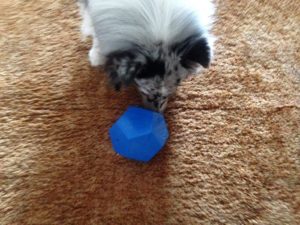
Interactive fetch toys keep high-energy dogs engaged during play. Tennis balls, balls that bounce unpredictably, and rope toys satisfy the chase-and-retrieve drive. Some dogs love balls that dispense treats as they roll around. These toys work best when you actively play with your dog rather than leaving them to self-entertain.
Chew toys serve different purposes depending on texture and material. Long-lasting chews like Yak chews and bully sticks keep dogs occupied for extended periods. Textured rubber toys like Kongs provide comfort and satisfy the urge to chew. Rope toys offer tugging satisfaction and dental benefits. Rotate chew toys to prevent boredom and maintain interest.
Durability matters significantly. Select toys appropriate for your dog's size and chewing intensity. A toy that one dog enjoys safely might become a choking hazard for another. Strong chewers need reinforced toys designed specifically for their power. Always supervise new toys until you know your dog won't destroy and ingest pieces.
Rotation prevents toy fatigue. Dogs lose interest in toys left out constantly. Store most toys away and rotate them weekly. This makes even familiar toys feel new and exciting. A toy your dog ignored last month becomes fascinating when reintroduced.
Your dog's age influences toy selection. Puppies need softer toys and supervision to prevent swallowing pieces. Senior dogs benefit from low-impact puzzle toys and gentle chews rather than intense fetch games. Medium-aged dogs in their prime typically handle varied toys without issue.
Watch for signs that a toy stimulates your dog properly. They should engage with it, explore it, and show excitement when you bring it out. If your dog ignores a toy after initial investigation, it doesn't meet their needs. Their disinterest tells you something about their preferences.
The investment in the right toys pays dividends in dog behavior and well-being. A properly stimulated dog exhibits fewer behavior problems, sleeps better, and maintains better mental health throughout their life.