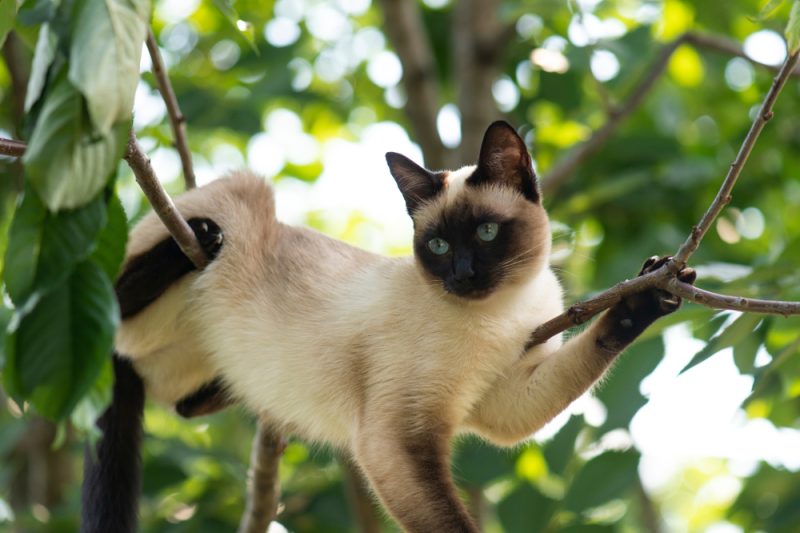
# Why Cats Love To Get High
Your cat's constant urge to climb to the highest point in your home follows basic feline biology and survival instinct. Understanding this behavior helps cat owners create safer, more enriching environments for their pets.
Cats climb for several reasons rooted in their nature as both predators and prey animals. From elevated positions, cats gain a tactical advantage. They can survey their territory, spot potential prey, and watch for threats. This elevated vantage point reduces stress by giving cats a sense of control over their environment. In multi-cat households, vertical space becomes especially important, as it allows cats to establish their own safe zones away from conflicts.
Climbing also fulfills cats' physical and mental needs. The activity builds strength and coordination while providing exercise that indoor cats desperately need. A sedentary cat becomes a overweight cat, and obesity in felines leads to diabetes, joint problems, and heart disease. Vertical climbing engages core muscles and improves balance in ways that ground-level play cannot replicate.
Psychologically, height provides comfort. Cats feel safer when elevated. This is why cats instinctively jump onto furniture, refrigerators, and shelving during stressful situations. A frightened or anxious cat will naturally retreat upward. Providing legitimate climbing opportunities reduces destructive behavior like scratching furniture or climbing curtains.
Temperature regulation plays a role too. Heat rises, making high spaces warmer than ground level. Cats are attracted to warm spots naturally, and elevated areas offer both warmth and the perch they crave simultaneously.
For cat owners, the solution is simple: provide dedicated vertical territory. Cat trees of varying heights give felines safe climbing options. Wall-mounted shelves create pathways across rooms at multiple levels. These installations satisfy climbing instincts while protecting your curtains and furniture. The best cat trees reach at least five to six feet tall and feature multiple levels, scratching posts, and enclosed spaces.
When selecting climbing furniture, stability matters enormously. A wobbly cat tree poses injury risks, especially for heavier or senior cats. Look for trees with wide bases and sturdy construction. Multiple perches at different heights accommodate cats of all ages and mobility levels.
Window perches combine climbing with enrichment. Cats love watching outdoor activity, and elevated window seats provide entertainment while fulfilling vertical preferences. Consider perches with suction cups that attach securely to windows.
Senior cats and those with arthritis need special consideration. Ramps, lower climbing structures, and easily accessible perches support aging felines. Veterinarians often recommend maintaining vertical access even for older cats, as the gentle exercise benefits joint health and mental stimulation.
Pay attention to where your cat climbs. If your pet repeatedly scales certain furniture or fixtures, that location likely holds appeal. You can redirect climbing energy by placing cat trees in those same spots.
Satisfying your cat's climbing instinct is not optional enrichment. It addresses fundamental feline needs for exercise, safety, and environmental control. Cats with adequate vertical territory display fewer behavioral problems and maintain better physical and mental health throughout their lives.