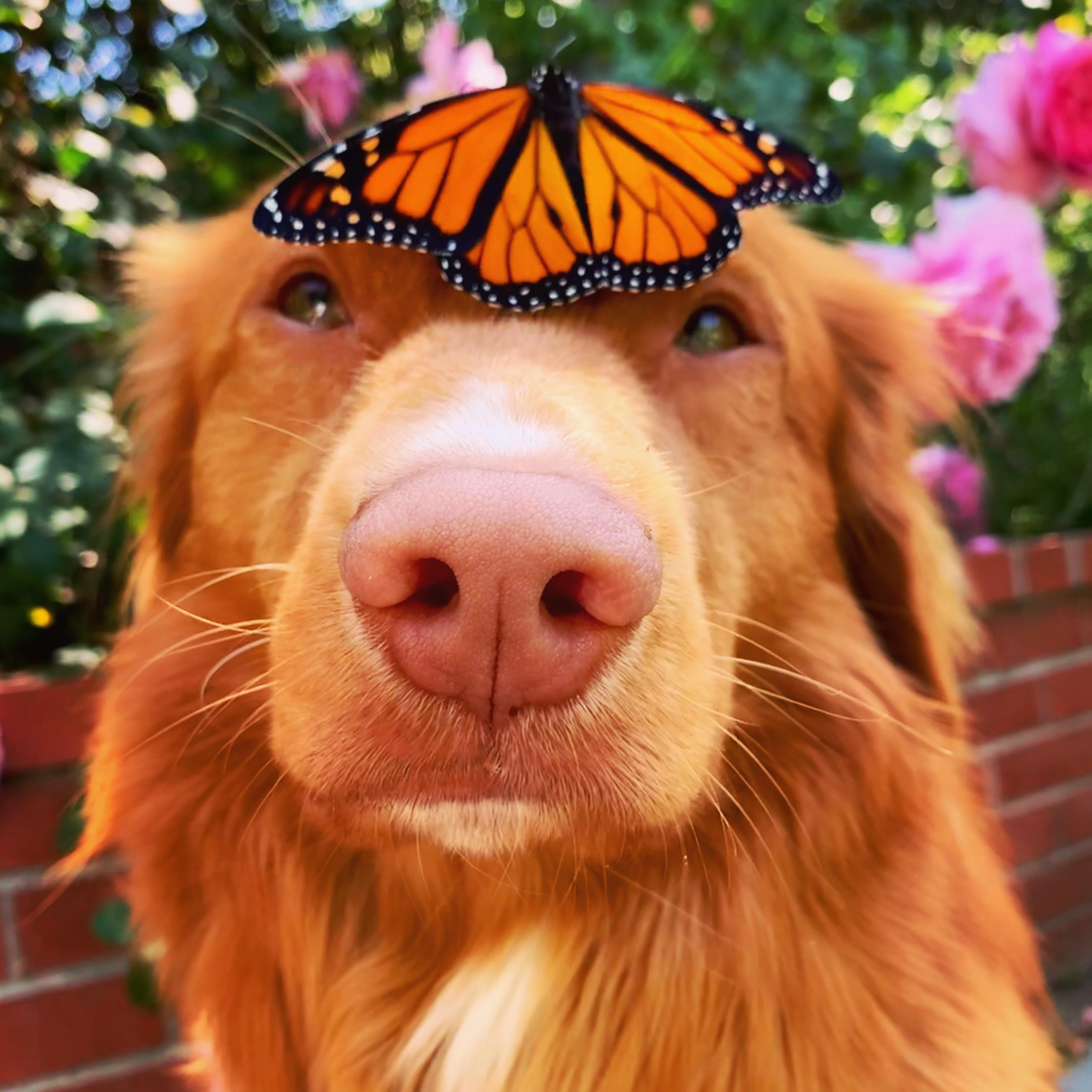
# Meet Milo, the "Butterfly King" Who's Inspiring People to Slow Down and Appreciate Nature
A dog named Milo has become an unlikely ambassador for nature conservation, teaching pet owners and their families the value of slowing down in an increasingly rushed world. Through social media and community engagement, Milo's story demonstrates how companion animals can inspire deeper connections with the natural environment.
The narrative begins with a personal journey. The person behind Milo's story harbored two childhood dreams: working at NASA and owning a dog. After years of rejected internship applications, they finally welcomed their first dog, Luna, during their junior year of high school. This persistence in pursuing both passions eventually led to a unique intersection of interests. Rather than choosing between science and companionship, they discovered how a dog could become a vehicle for teaching others about ecosystems, biodiversity, and mindfulness.
Milo earned the nickname "Butterfly King" through dedicated observation and documentation of butterfly species encountered during daily walks and outdoor adventures. What began as casual nature watching evolved into a platform where thousands of followers learn to identify butterflies, understand their life cycles, and recognize their ecological importance. The approach transforms routine dog walks into nature education opportunities, turning parks and gardens into outdoor classrooms.
This phenomenon speaks to a broader shift in how people engage with pets. Dogs serve not just as companions but as gateways to environmental awareness. By featuring Milo's butterfly encounters, the account encourages followers to pause during their busy days and notice the smaller creatures sharing their spaces. Many pet owners report spending more time outdoors and developing genuine interest in local ecosystems after following Milo's journey.
The "Butterfly King" concept resonates particularly well with families seeking screen-free activities. Parents use Milo's content as inspiration for butterfly identification outings with their children. This creates multiple benefits: dogs receive additional exercise and mental stimulation, children learn natural history, and families develop stronger bonds through shared outdoor experiences.
Conservation experts recognize the value of this informal education model. When popular social media figures highlight specific species, public interest in those animals increases. Butterfly populations benefit when communities understand their role in pollination and food webs. Protecting butterflies means preserving wildflower habitats, which benefits all local wildlife.
Milo's influence extends beyond Instagram followers. Local parks report increased visitation from people seeking their own butterfly encounters. Community gardens have expanded native plant sections to attract butterflies. Schools have incorporated Milo's documentation into nature curriculum units.
The story illustrates an important principle for dog owners: companion animals offer opportunities to shape how we and our children experience the world. A simple daily walk with a dog can become a journey of discovery. Milo demonstrates that the most meaningful pet ownership involves building connections beyond the human-animal bond, extending care and curiosity to entire ecosystems.
This approach to pet companionship aligns with growing research on the mental health benefits of nature exposure. Dogs motivate their owners to spend time outdoors regularly, which reduces stress and improves overall wellbeing. When that outdoor time includes nature observation and education, the benefits multiply.
For pet owners seeking deeper purpose in their relationship with their dogs, Milo's story offers an accessible template. Every dog walk presents opportunities to notice, learn, and share discoveries with others.