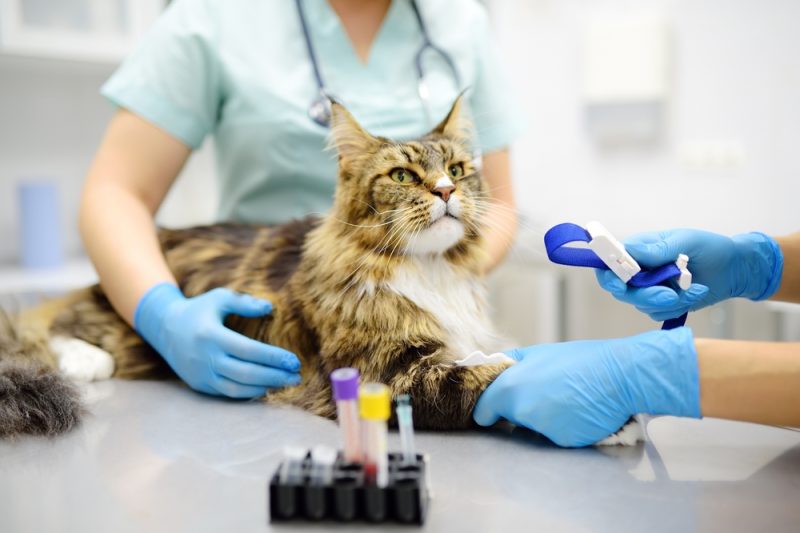
The European Union has passed new legislation targeting breeding practices that prioritize appearance over animal health. The regulation addresses what many call "cute but unhealthy" breeding, a practice that produces animals with physical traits that look appealing but cause serious medical problems.
This law affects dogs, cats, and other pets bred for exaggerated features. Breeding for extremely flat faces, oversized eyes, or shortened limbs often results in respiratory disease, joint problems, vision loss, and chronic pain. The EU recognizes these practices as animal welfare violations.
Under the new rules, breeders cannot legally produce animals with traits that compromise health. This means restrictions on breeding dogs with severe brachycephalic (flat-faced) features, such as French Bulldogs and Pugs prone to breathing difficulties. Cats with extreme facial structures that impair function also fall under scrutiny. Breeders must prioritize genetic health and normal body function alongside appearance standards.
The legislation requires genetic testing and health screening before breeding animals. Veterinarians now play a larger role in certifying that breeding animals meet health thresholds. This protects future generations from inheritable conditions linked to selective breeding for looks alone.
Pet owners benefit directly. Puppies and kittens born under these standards face lower risks of early-life medical crises. Veterinary costs for preventative care and disease management should decline. Pets will have better quality of life and longer lifespans.
The change challenges breeding industries across Europe. Breeders must adjust selection criteria and may need to introduce genetic diversity into closed bloodlines. Some popular breed standards will shift to emphasize health traits rather than extreme physical features.
This regulation sets a precedent internationally. Other countries may follow the EU's lead in establishing health-based breeding standards. Animal welfare advocates view this as overdue protection for animals that cannot advocate for themselves.
For pet owners, this means