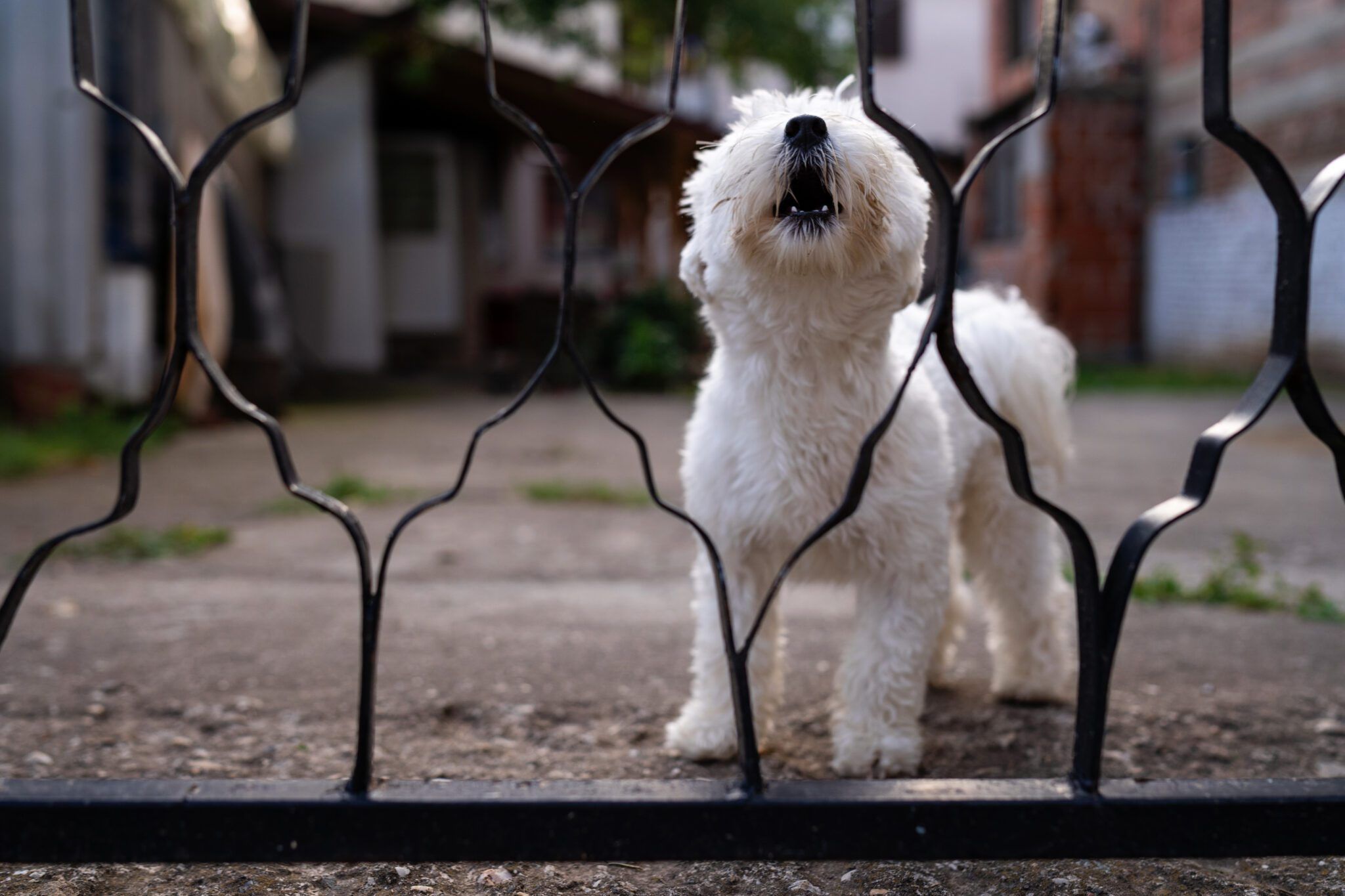
Territorial aggression in dogs represents one of the most common behavioral challenges pet owners face. When a dog spots another dog or person near his property, his brain floods with stress hormones that push him past his threshold for calm decision-making. This explains why your dog ignores your commands when he's locked in on a perceived threat outside your window.
The physical signs are unmistakable. Raised hackles, dilated pupils, intense barking, and complete fixation on the target indicate your dog has entered a heightened arousal state. At this point, simple recall commands won't work because your dog's nervous system has shifted into defensive mode rather than listening mode.
Territorial behavior roots itself in your dog's natural instinct to protect his space and family. Dogs see their home as their den, making them hardwired to react when strangers approach. Some breeds show stronger territorial drives than others. Intact males often display more intense territorial responses than spayed or neutered dogs, though either sex can develop this behavior.
Understanding your dog's triggers helps you intervene before he reaches that uncontrollable state. If window-watching precedes the explosive reaction, managing his access to windows during peak foot-traffic times becomes your first line of defense. Close curtains or blinds to block visual triggers. Redirect his attention to a puzzle toy or chew before the behavior escalates.
Working with a certified professional dog trainer or veterinary behaviorist offers real solutions. Desensitization and counterconditioning teach your dog to associate the sight of passing dogs with positive outcomes rather than threats. These techniques take time and consistency but reshape how your dog responds to territorial triggers.
Punishment rarely works for territorial aggression. Yelling or physical corrections only add stress to an already heightened nervous system, often worsening the behavior. Your dog isn't being defiant. His brain chemistry has taken over.