# Decoding The Cat Loaf: What It Means and When to Worry
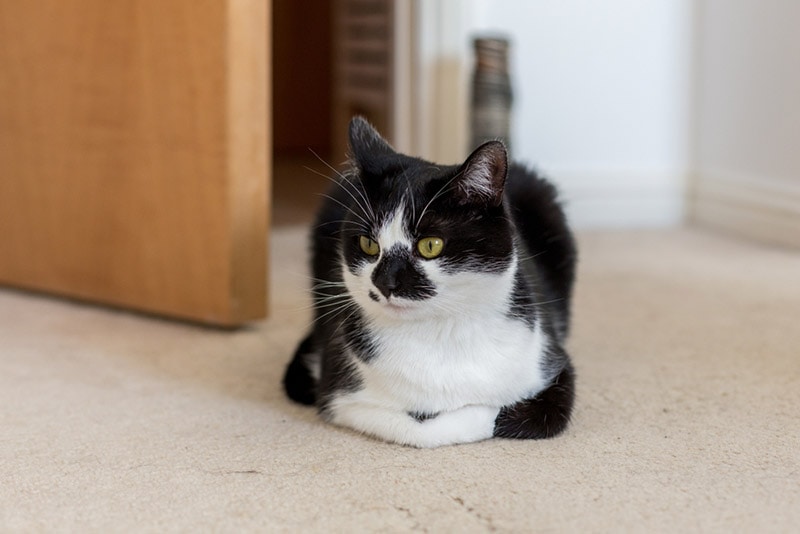
The "cat loaf" is one of feline behavior's most beloved poses. Cats curl their bodies into a compact, rounded shape with their front paws tucked underneath and their tail wrapped around their body, resembling a loaf of bread. Understanding what this position signals helps cat owners better interpret their pets' emotional states and health.
Most of the time, the loaf position indicates contentment. A cat in this pose feels safe, comfortable, and relaxed in their environment. The tucked paws and compact body reflect a cat that has settled in for the long haul, often appearing when cats rest near their favorite humans or in sunny spots around the home.
The loaf also serves practical purposes. Cats maintain this position because it allows them to spring into action quickly if needed. Even while resting, cats keep their muscles coiled and ready. This position offers warmth by reducing surface area and conserving body heat, which explains why cats loaf more frequently in cooler weather or on chilly floors.
However, cat owners should watch for context clues. A loafing cat with flattened ears, dilated pupils, or a twitching tail may feel stressed or anxious rather than peaceful. Some cats loaf when they experience mild discomfort, positioning themselves to apply gentle pressure to sore areas. If a cat begins loafing excessively or adopts this pose while showing other signs of illness, illness such as lethargy or loss of appetite, a veterinary visit becomes necessary.
Pain-related loafing differs from contentment loafing. Cats with arthritis, urinary issues, or abdominal discomfort sometimes adopt this position to ease their symptoms. Monitor your cat's loafing frequency and accompanying behaviors. A healthy cat loafing while purring