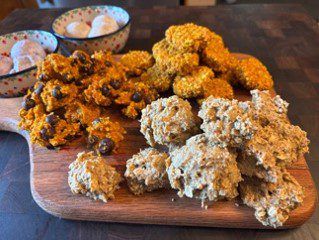
Dog owners increasingly want to know exactly what their pets eat. Homemade dog biscuits offer that control, letting owners choose every ingredient and skip additives found in commercial treats.
Making biscuits at home serves multiple purposes. Owners can accommodate dietary restrictions, allergies, or preferences their individual dogs have. A dog sensitive to chicken can enjoy beef-based treats instead. A dog needing lower sodium gets exactly that. Homemade biscuits also eliminate artificial preservatives, colors, and flavors that some owners prefer to avoid.
Commercial dog treats provide convenience, but they don't offer customization. Store-bought biscuits come in one formula for all dogs. A homemade approach changes that equation entirely.
Basic dog biscuit recipes typically use simple ingredients like whole wheat flour, oat flour, peanut butter, eggs, and water or broth. Some owners add pumpkin puree for fiber or sweet potato for nutrients. The recipes require no special equipment beyond a mixing bowl, rolling pin, and baking sheet.
Safety matters when baking for dogs. Certain ingredients are toxic to canines and must be avoided completely. Xylitol, an artificial sweetener found in some human baking products, causes severe liver damage and dangerously low blood sugar in dogs. Chocolate, grapes, raisins, macadamia nuts, and onions also pose serious health risks. Whole Dog Journal and other pet nutrition resources provide tested recipes that exclude these dangers.
Portion control becomes easier with homemade treats. Owners know the exact calorie content and can adjust treat frequency based on their dog's daily calorie needs. This helps prevent obesity, a growing problem in pet populations.
Storage requires attention. Homemade biscuits lack the preservatives in commercial products, so they spoil faster. Most recipes recommend refrigerating biscuits