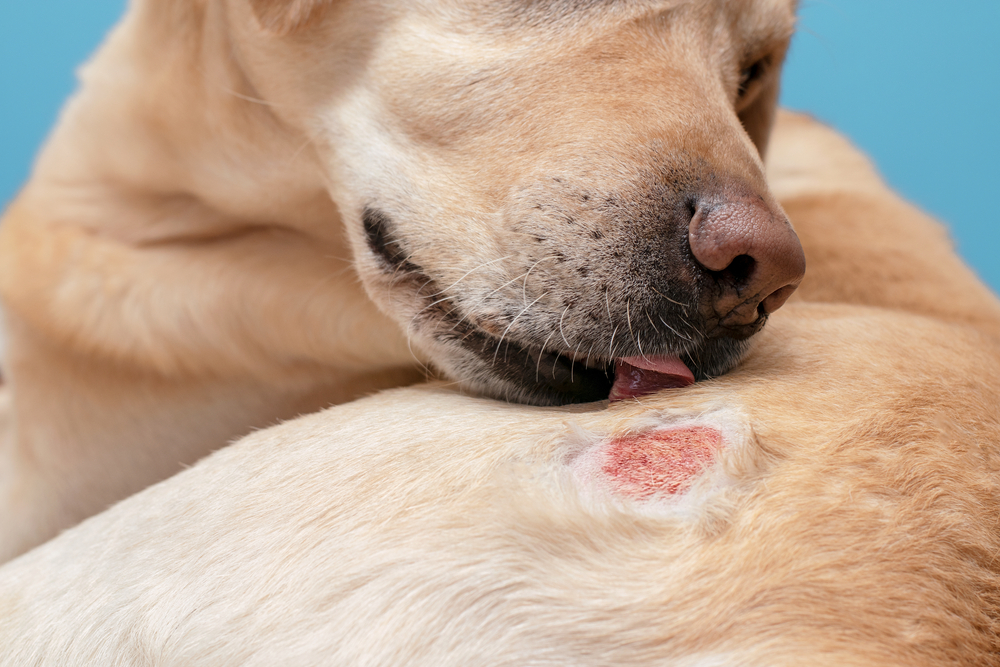
A dog in Texas contracted screwworm, marking the first confirmed canine case in the current U.S. outbreak. The parasitic infestation has prompted veterinarians and pet owners to take precautions, especially for those traveling to Mexico with their dogs.
Screwworm flies lay eggs in open wounds on animals. The larvae burrow into flesh, causing severe tissue damage and potentially fatal infections if left untreated. Dogs can contract the parasite through even minor cuts, insect bites, or surgical incisions that go unmonitored.
The Texas case signals that screwworm has expanded beyond livestock, which typically bears the brunt of infestations in endemic regions like parts of Mexico and Central America. Pet owners planning trips south of the border should understand the risks their dogs face.
Preventive steps include keeping dogs indoors during peak fly hours, particularly at dawn and dusk. Inspect your dog daily for any cuts, wounds, or signs of infection. Cover existing wounds with protective bandages. Avoid areas with standing water or livestock, where screwworm flies concentrate.
Vaccinations don't exist for screwworm in dogs. Veterinarians instead recommend consulting with travel medicine specialists before trips to Mexico. Some vets prescribe preventive treatments or wound care protocols for dogs traveling to high-risk zones.
If your dog develops a draining wound, foul odor, or visible larvae in any opening, seek veterinary care immediately. Screwworm cases require aggressive treatment, including parasite removal and antibiotics to prevent secondary infections.
The resurgence of screwworm in the U.S. reflects its persistence in neighboring countries despite eradication efforts. Pet parents shouldn't panic, but they should take this outbreak seriously. Traveling with dogs to Mexico remains possible with proper precautions and veterinary guidance.
Contact your veter