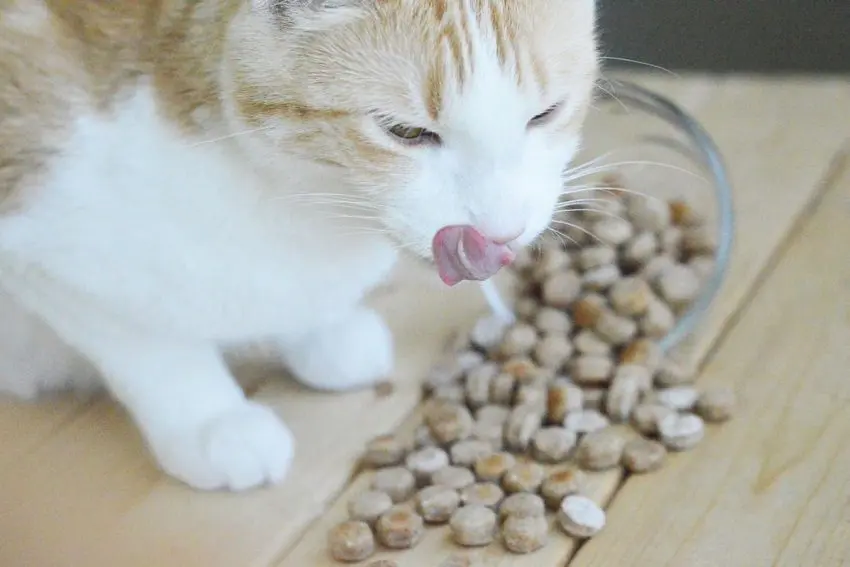
# Homemade Salmon Cat Treats Recipe: Flavors of Love
Making cat treats at home gives owners control over ingredients and eliminates preservatives found in many commercial products. A new recipe from Cat Vills demonstrates how simple homemade salmon treats can be, requiring just four ingredients that most pet owners already have in their kitchens.
The salmon-based recipe appeals to cats' natural carnivorous preferences. Salmon provides omega-3 fatty acids that support coat health and reduce inflammation. Homemade treats allow owners to avoid artificial additives, colors, and chemical preservatives common in store-bought options. Many commercial cat treats contain fillers and byproducts that offer little nutritional value.
The four-ingredient approach removes barriers to home preparation. Novice cooks can confidently execute the recipe without advanced culinary skills. This accessibility means more cat owners can provide their pets with fresh, wholesome treats regularly. The simplicity also makes batch preparation manageable, allowing owners to store treats for several weeks.
Nutritional transparency stands as a primary advantage of homemade treats. Pet owners know exactly what enters their cats' bodies. This matters especially for cats with food sensitivities or allergies. A salmon-based treat avoids common allergens like corn, wheat, and soy found in budget commercial options.
Cats typically enjoy salmon's strong flavor, making these treats an effective training tool or reward during positive reinforcement training. The palatability factor increases compliance during vet visits or medication administration.
Before introducing any new treat, pet owners should consult their veterinarians. While salmon offers nutritional benefits, treats should comprise no more than ten percent of a cat's daily caloric intake. Kittens, senior cats, and those with existing health conditions may need modified recipes or veterinary approval.
Homemade salmon cat treats represent a practical alternative to commercial