Crystals in a dog's urine signal a health problem that needs veterinary attention. These mineral formations develop when certain substances concentrate in the bladder and urine, potentially leading to urinary tract infections, bladder stones, or complete urinary blockage.
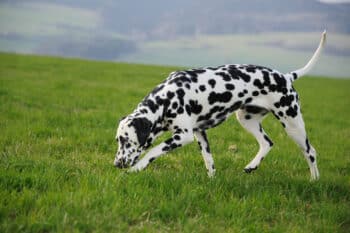
Several factors cause crystal formation in dogs. Diet plays a major role, particularly foods high in magnesium, phosphorus, or purines. Dehydration concentrates urine and increases crystal risk. Urinary tract infections change urine pH and promote crystal development. Genetics matter too. Dalmatians naturally produce higher uric acid levels and face increased risk. Male dogs develop blockages more easily than females because of their narrower urethral passages.
Symptoms vary in severity. Dogs may strain during urination, urinate more frequently, or produce only small amounts of urine. Blood in the urine appears red or brown. Some dogs show no obvious signs until a veterinarian discovers crystals during a routine urinalysis. Severe cases present with inability to urinate, abdominal pain, lethargy, or vomiting. These signs demand emergency veterinary care.
Your veterinarian diagnoses crystals through urinalysis and imaging like ultrasound or X-rays. Treatment depends on crystal type and severity. Increasing water intake dilutes urine and reduces concentration. Your vet may recommend prescription diets formulated to prevent specific crystal types. Antibiotics address underlying infections. Severe blockages require catheterization or surgery to clear the urethra.
Prevention starts with proper hydration. Ensure dogs drink plenty of fresh water daily. Feed high-quality diets appropriate for your dog's age and health status. Some dogs benefit from prescription urinary care diets. Regular veterinary checkups catch problems early. If your dog strains to urinate, produces bloody urine, or acts ill, contact your